
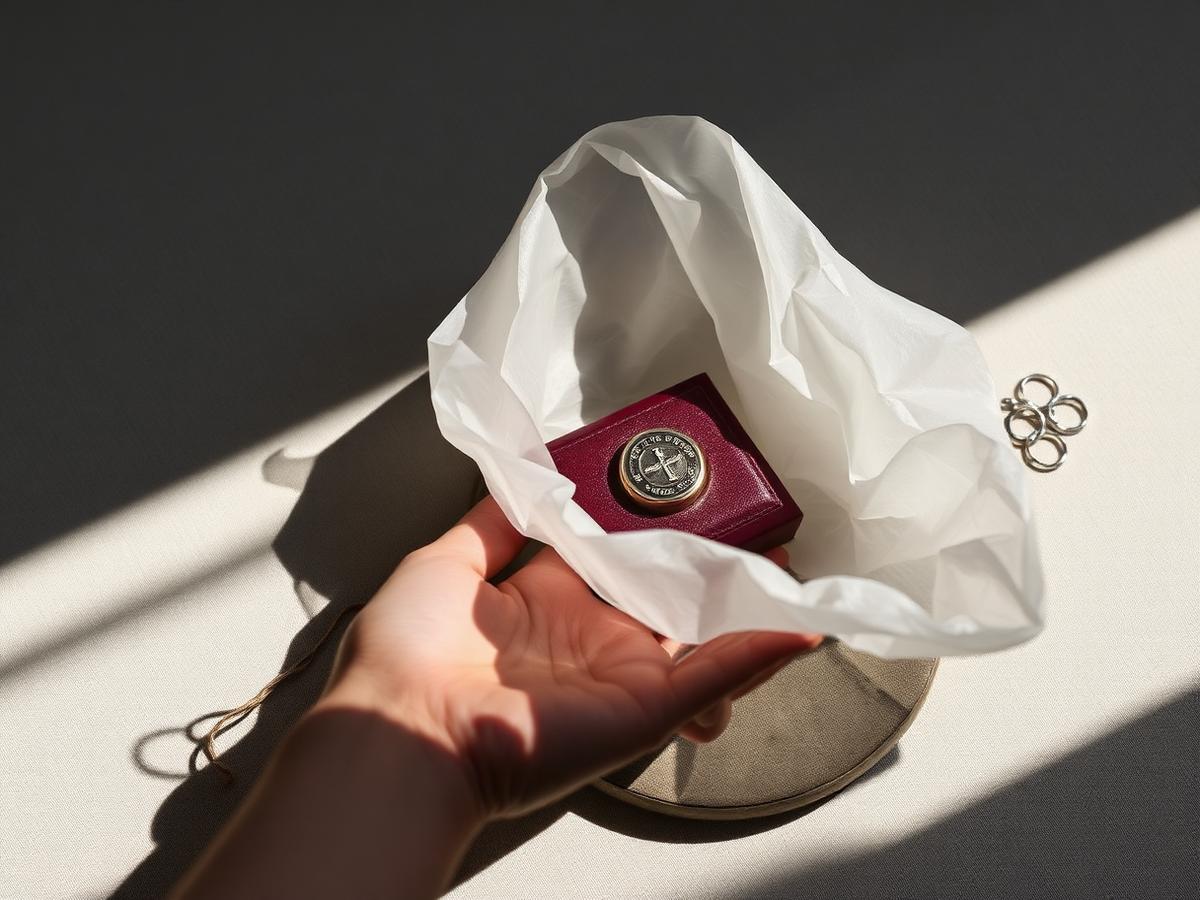
Evidence overview
Psychology of Wanting
How anticipation, attention, memory, novelty, and expectation can shape what people want before ownership begins.
Psychology, culture and conscious ownership
Explore why we want, what ownership means, and how objects become part of identity, memory, culture, and a consciously considered life.
Desire does not begin at the point of purchase. It can emerge through attention, anticipation, memory, imagination and the meanings supplied by other people. Research on reward anticipation suggests that wanting and enjoyment are not simply the same event. The prospect of a reward can have its own emotional and motivational force, even before a person knows whether ownership will be satisfying.
Objects also enter lives that already contain identities, relationships and histories. A watch may become a record of time shared with someone else. A chair may carry the memory of a home. A collection may be less about accumulation than study, classification and stewardship. Such meanings are personal and culturally shaped; they cannot be reduced to price, scarcity or status alone.
This section examines those tensions without treating every purchase as self-expression or every attachment as evidence of wellbeing. Findings in consumer psychology often depend on context, study design and population. We distinguish established concepts from editorial interpretation, link to original research where practical, and avoid diagnostic or therapeutic claims.
Seven lines of inquiry
Each topic has a distinct research question and visual language, supported by a growing library of source-led foundational articles.
Evidence overview
How anticipation, attention, memory, novelty, and expectation can shape what people want before ownership begins.
Evidence overview
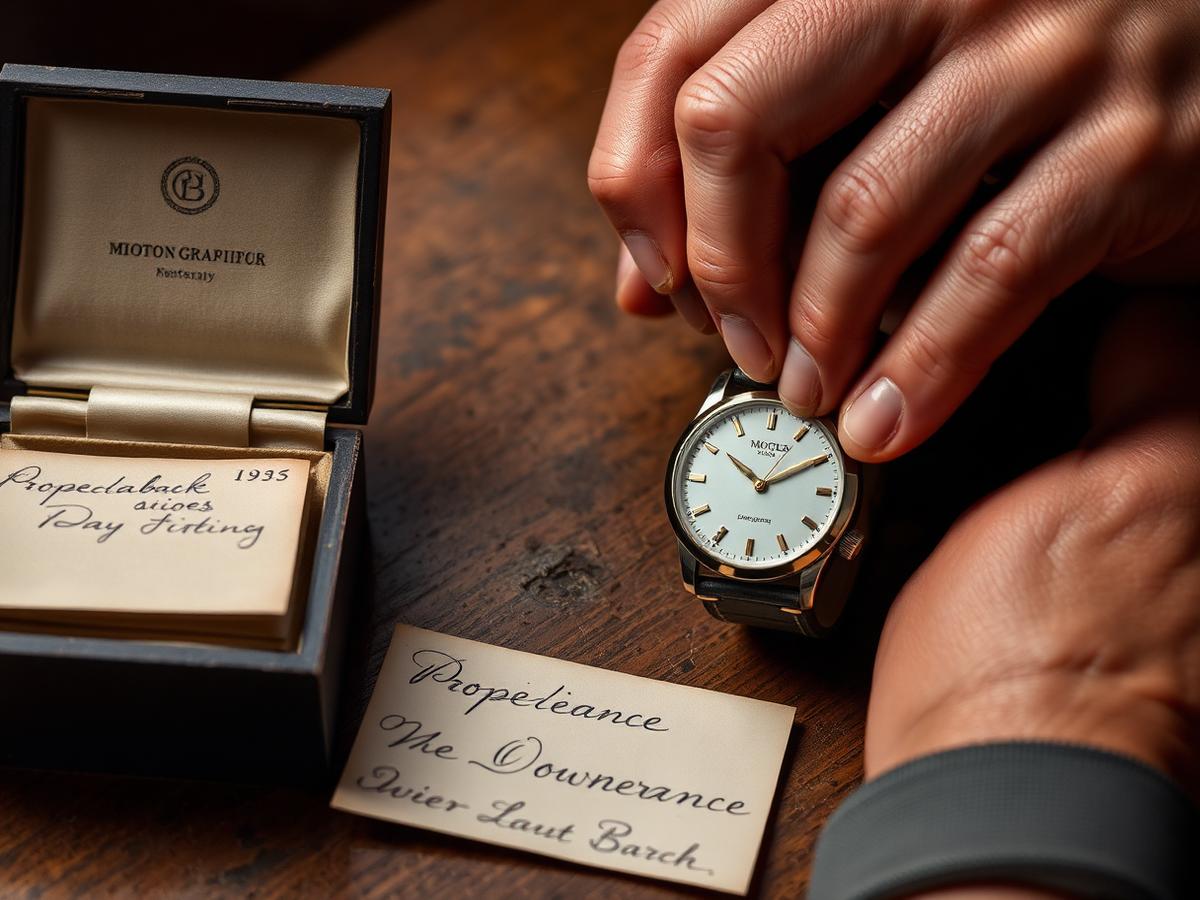
How use, control, care, memory, and personal investment can make an object feel meaningfully ours.

Cultural commentary
How possessions can express roles, relationships, histories, aspirations, and a person's sense of self.

Evidence overview
Collecting as learning, classification, stewardship, community, memory, and the pleasure of an ongoing search.

Evidence overview
A careful look at how possessions and experiences may support rituals, self-expression, memory, and satisfaction, with important limits.

Editorial analysis
How materials, form, story, usefulness, culture, scarcity, and social meaning influence perceived desirability.

Practical guide
A practical framework for considering meaning, use, proportion, longevity, repairability, provenance, and motivation.
Foundational reading
Research-led introductions to the ideas that shape desire, collecting, identity, scarcity, satisfaction, and the meaning of possession.
Evidence overview · 12 min
Wanting is not a simple signal of need. It is shaped by attention, anticipation, learning, identity, culture, and the stories we tell about a possible future.
Read Why We Want: The Psychology of DesireEvidence overview · 12 min
Ownership can change attention, valuation, care, identity, and the emotional meaning of loss, but its effects are neither automatic nor universal.
Read What Ownership Does to the MindEvidence overview · 11 min
The feeling of mine can develop through control, intimate knowledge, creation, care, and personal investment, even without legal title.
Read Psychological Ownership: Why Something Can Feel Like OursEvidence overview · 11 min
Once something becomes ours, giving it up may feel more consequential than acquiring the same thing felt beforehand.
Read The Endowment Effect: Why Ownership Can Change Perceived ValueEvidence overview · 11 min
The period before acquisition can be vivid, pleasurable, and full of possibility. Ownership introduces reality, use, and a different kind of value.
Read Anticipation and Acquisition: Is Wanting Better Than Having?Evidence overview · 11 min
Novelty fades as attention moves and expectations reset, yet use, variety, appreciation, and meaning can shape the pace of adaptation.
Read Hedonic Adaptation: Why New Possessions Begin to Feel NormalCultural commentary · 12 min
Objects can express roles, preserve memory, support activity, and connect a present self with past and possible selves.
Read Objects and Identity: How Possessions Become Part of the SelfEvidence overview · 12 min
Collections can organize knowledge, memory, identity, community, and the pleasure of an unfinished search.
Read The Psychology of CollectingEvidence overview · 12 min
Limited availability can focus attention and accelerate decisions, but rarity is not the same as quality, meaning, or durable value.
Read Scarcity, Exclusivity, and the Fear of Missing OutEvidence overview · 12 min
Possessions can support comfort, competence, identity, memory, activity, and connection, but no category of spending guarantees wellbeing.
Read Can Possessions Make Us Happier? A More Complete AnswerEmotional ownership
Narrative and cultural analysis of attachment, inheritance, craft, collecting, wear, and belonging, with factual psychological claims grounded in research.
Cultural commentary · 8 min
Attachment grows less from possession alone than from the ways an object becomes entangled with use, memory, people, effort, and a changing sense of self.
Read Why We Become Attached to Certain ObjectsCultural commentary · 8 min
Some objects sit outside ordinary exchange because selling them would feel less like changing inventory and more like surrendering a piece of history.
Read The Things We Could Never SellCultural commentary · 8 min
An inherited object arrives with a previous life, making ownership feel closer to stewardship, continuity, and conversation with an absent past.
Read Why Inherited Objects Feel DifferentCultural commentary · 8 min
A watch measures standardized time while accumulating private time: beginnings, routines, absences, achievements, and marks of daily wear.
Read The Emotional Life of a WatchEditorial analysis · 8 min
Evidence of a maker's hand can make labor, judgment, variation, and care perceptible in the finished object.
Read Why Handmade Objects Feel More HumanCultural commentary · 8 min
Searching gives collecting its movement: a cycle of learning, anticipation, near misses, recognition, and stories that may outlast the acquisition itself.
Read The Pleasure of the HuntCultural commentary · 8 min
A first considered luxury purchase can become a marker of independence, taste, sacrifice, or entry into a world once observed from a distance.
Read The First Luxury Purchase We Never ForgetCultural commentary · 8 min
A collection becomes an archive when arrangement, documentation, and memory begin to record not only objects, but a person's changing questions and encounters.
Read When a Collection Becomes a Personal ArchiveEditorial analysis · 8 min
Wear can make time visible, but the line between meaningful patina, damage, neglect, and manufactured age depends on material, function, and context.
Read Why Patina, Wear, and Imperfection Can Add MeaningCultural commentary · 8 min
Ownership defines a relationship to a thing; belonging describes a relationship to a place, practice, community, or story. Objects can support belonging, but cannot guarantee it.
Read The Difference Between Owning and BelongingHuman-story series
One possession, one life, and the meaning that price cannot explain. Explore the editorial premise and interview framework for forthcoming real participant stories.
Explore The Object That MattersConscious ownership
Decision frameworks for understanding motivation, pressure, value, collection building, care, and release without treating appreciation or luxury ownership as problems to solve.
Practical guide · 9 min
A durable want becomes easier to see when urgency, audience, fantasy, and the ordinary realities of ownership are considered separately.
Read How to Decide Whether You Truly Want SomethingPractical guide · 9 min
A major purchase deserves questions that protect appreciation from urgency, incomplete information, and expectations an object cannot reasonably meet.
Read Ten Questions to Ask Before a Major Luxury PurchasePractical guide · 9 min
The price a market may pay and the meaning an owner may feel are real but different forms of value, produced by different evidence.
Read Emotional Value Versus Market ValuePractical guide · 9 min
A meaningful collection is not simply a quantity of related things; it is a sustained inquiry shaped by selection, knowledge, use, and care.
Read How to Build a Collection With MeaningPractical guide · 9 min
Scarcity can arise from difficult craft, finite material, controlled supply, or theatrical release mechanics; the distinction requires evidence.
Read How to Recognize Manufactured ScarcityPractical guide · 9 min
The ability to leave can protect the standards, relationships, and future enjoyment that made a long-sought object desirable in the first place.
Read When to Walk Away From a Grail PurchasePractical guide · 9 min
Most purchases contain both private and social meaning; reflection begins by asking which audience will still matter after the signal has been seen.
Read Buying for Yourself Versus Buying for RecognitionPractical guide · 9 min
Enjoyment often returns when possessions move from background inventory into use, attention, knowledge, care, and shared experience.
Read How to Enjoy What You Already OwnPractical guide · 9 min
A careful sale can separate memory from custody, preserve an object's biography, and make room for a considered next chapter.
Read How to Sell an Emotionally Important ObjectPractical guide · 9 min
Fewer, better is useful not as an aesthetic rule or spending slogan, but as a way to align quantity, quality, care, and actual life.
Read Fewer, Better Things: A Practical Philosophy of OwnershipInteractive editorial
Map the dimensions of desirability, reflect privately on motivation, compare personal and market value, and follow the emotional stages of ownership. Every interaction runs locally and saves nothing.
Explore the interactive toolsThe Desire Map
Why Do You Want It?
Personal Value Versus Market Value
The Ownership Timeline
Original visual studies
A commissioned visual collection explores anticipation, psychological ownership, personal value, identity, collecting, memory, craftsmanship, scarcity, and the passage from novelty to meaning.
Three principles guide the section and keep its claims proportionate to the available evidence.
01
The same object may represent utility, continuity, belonging, taste or obligation to different people. We do not assume a universal motive from a visible possession.
02
A laboratory finding, survey association and cultural interpretation answer different questions. We name those differences rather than merging them into a single rule.
03
Use, maintenance, repair and eventual transfer are part of an object's story. Conscious ownership considers the whole relationship, not only acquisition.
Psychological ownership describes the feeling that something is mine, which can arise through control, intimate knowledge and personal investment. It is related to, but distinct from, legal title. The endowment effect concerns how ownership can alter valuation; it does not mean that every owned object becomes treasured.
The idea of the extended self offers one influential way to understand possessions as resources for identity and memory. Later research has broadened and challenged how that idea applies across cultures and digital settings. Our coverage treats it as a useful framework, not a complete theory of personhood.
Questions of satisfaction require equal caution. Research comparing material and experiential purchases has often found advantages for experiences under certain conditions, but objects can enable experiences, rituals and social connection. Meanwhile, hedonic adaptation reminds us that emotional responses can change over time. None of these findings supplies a formula for happiness or a reason to spend.
Essential answers
Concise definitions for readers and answer systems, with fuller evidence and qualifications in the linked essays.
Continue exploring
See how these questions meet craftsmanship, provenance and cultural relevance across our editorial collections.