
Buildings, place and long-term value
Architecture
How to understand notable architecture through site, proportion, materials, environmental performance, authorship, alteration and stewardship.
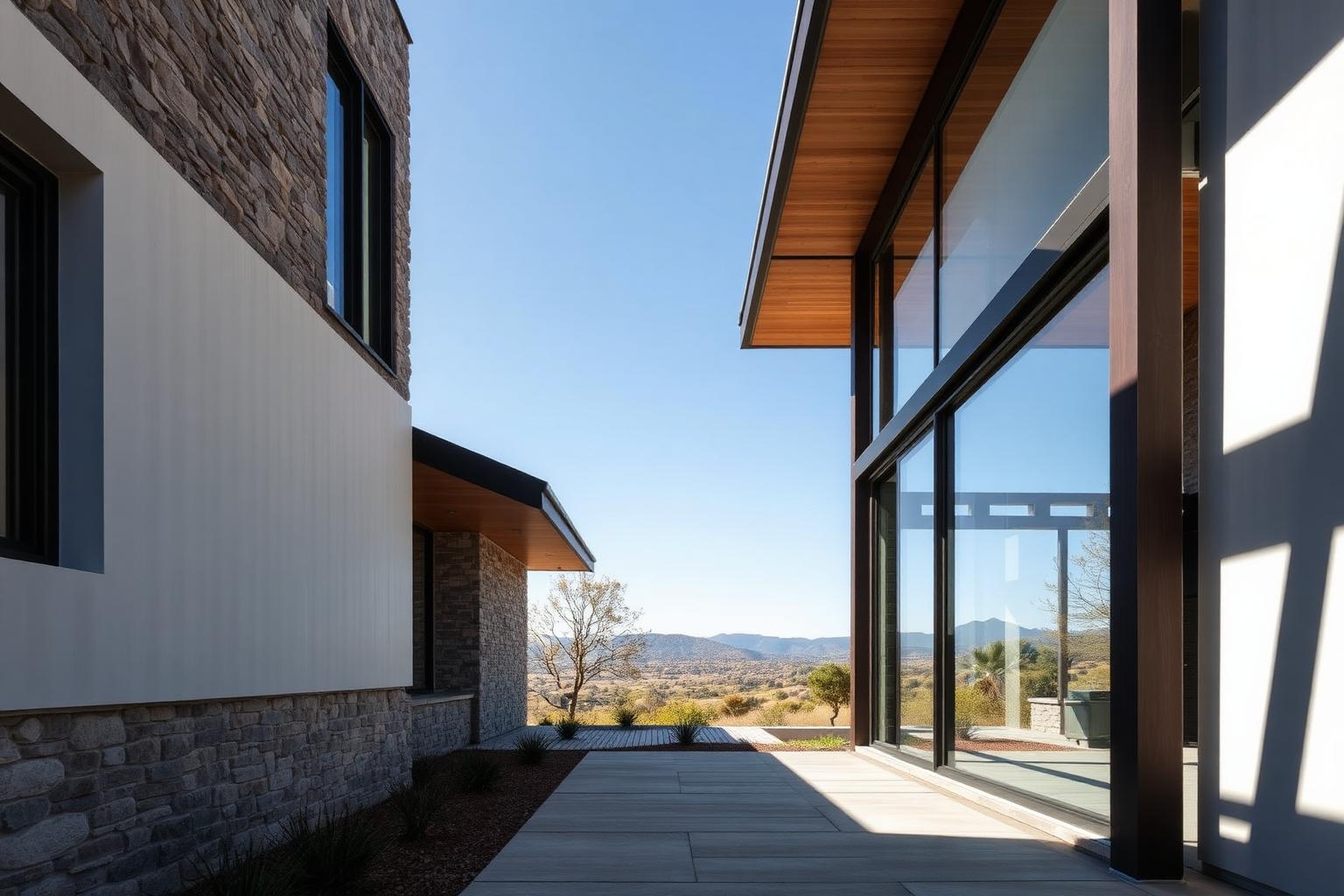
Architecture is encountered as space, climate, structure and daily routine, not only as an image. A persuasive building responds to its site while organizing light, movement, privacy, material and construction into a legible whole. The qualities that photograph dramatically are not always those that support comfort, maintenance or long life.
This editorial guide offers a framework for reading and acquiring architecturally significant property. It is not a substitute for structural surveys, planning research, conservation advice, energy assessment or legal due diligence. Buildings are regulated, inhabited and altered objects; their significance and practical obligations must be evaluated together.
Read the site before the style
Orientation, topography, vegetation, water, access, neighboring buildings and local climate establish the conditions to which architecture responds. Shading that works in one latitude may be ineffective in another. Large areas of glass may connect a room to landscape while increasing glare, heat gain, heat loss or bird collision risk if poorly resolved.
Ask how the plan manages arrival, circulation, public and private zones, service spaces and changes in level. Strong architecture often makes these relationships feel inevitable, yet that clarity usually results from disciplined decisions rather than a recognizable style.
Materials, details and performance
Material quality is not synonymous with expense. Fitness for climate, responsible sourcing, repairability and the way assemblies manage water are more consequential than a prestigious finish. Junctions around roofs, openings, terraces and ground levels deserve close attention because small detailing failures can produce large maintenance problems.
Operational energy, embodied carbon, ventilation, daylight and thermal comfort should be examined with qualified professionals. Heritage significance and environmental improvement need not be opposites, but interventions require careful design and, in protected buildings, formal consent.
Authorship and architectural provenance
Plans, specifications, permits, correspondence, published accounts and photographs can establish who designed a building and how it changed. Attribution should not rest on resemblance or an agent's description. Architect archives, planning files and recognized heritage registers may provide stronger evidence.
Later alterations are part of a building's history, though not all have equal significance. A conservation assessment can identify important fabric and distinguish reversible additions from damaging changes. Before restoration, record existing conditions and understand why previous interventions were made.
Due diligence and responsible ownership
Commission independent surveys appropriate to the building's age, structure and location. Review title, boundaries, easements, permissions, insurance constraints, environmental risks and the status of any protected fabric. Obtain realistic estimates for specialist maintenance rather than extrapolating from conventional housing.
Stewardship means planning beyond acquisition. Keep an archive of drawings, reports, materials and repairs; use professionals who understand the construction system; and prefer interventions that preserve significance while supporting safe, useful occupation.
Essential questions
What makes a house architecturally significant?
Significance may arise from design quality, innovation, authorship, social history, landscape response, construction or influence, supported by reliable documentation.
Can a historic building be made more efficient?
Often, yes, but improvements should follow building-physics analysis and conservation guidance so moisture, ventilation and significant fabric are not harmed.
What should buyers investigate first?
Start with legal status, structural condition, water management, alterations and permissions, building services, energy performance and realistic specialist maintenance costs.