
Restoration and Balance
Wellness Sanctuaries
A careful guide to evaluating retreats, practitioner credentials, health claims, privacy, and the conditions that support genuine rest.
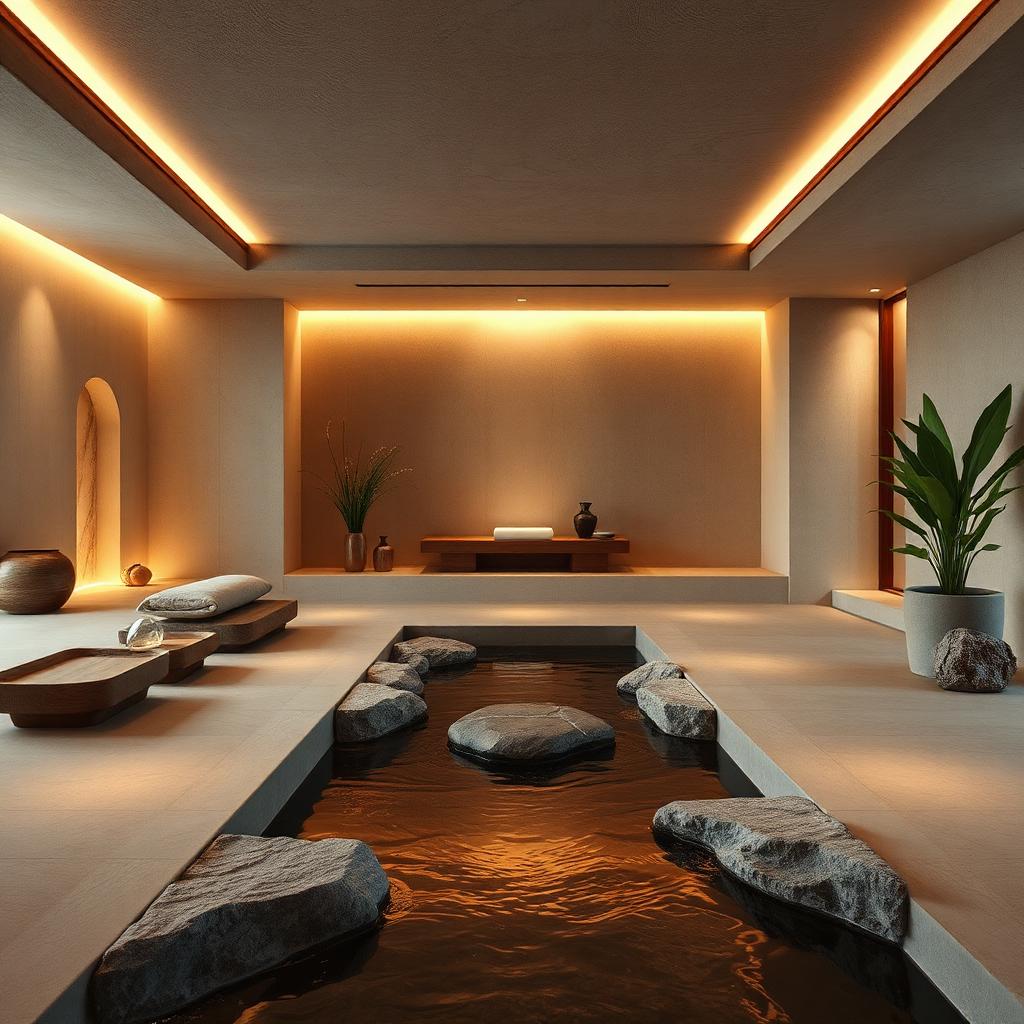
A restorative setting can support sleep, movement, and time away from routine, but a beautiful property is not a medical credential. Evaluate hospitality and health services separately.
Separate hospitality from healthcare
A wellness retreat may combine accommodation, spa treatments, exercise, nutrition, and clinical services. Those are not interchangeable. Massage, meditation, and a quiet room can be valuable experiences without being treatments for disease. When a program claims to diagnose, treat, reverse, or prevent a medical condition, ask which licensed professional is responsible, what evidence supports the intervention, and how emergencies are handled.
The World Health Organization describes health as more than the absence of disease, but that broad concept should not be used to justify unsupported therapies. The US National Center for Complementary and Integrative Health advises consumers to investigate evidence and practitioner training and not to replace or postpone conventional care with an unproven practice.
Evidence-led foundations of restoration
Sleep opportunity, moderate physical activity, nourishing food, social connection, and reduced stress are more credible foundations than promises of rapid detoxification. Adults generally need at least seven hours of sleep, according to the US Centers for Disease Control and Prevention, though individual needs vary. A retreat can support a routine, but a few days cannot guarantee lasting biological change.
Exercise intensity should match health status and acclimatization. Altitude, heat, fasting, and abrupt increases in activity introduce real risks. Travelers who are pregnant, managing a condition, recovering from surgery, or taking medication should discuss relevant programs with their clinician before booking.
- Request the name, license, and role of every clinical practitioner involved.
- Ask for contraindications, possible adverse effects, and emergency procedures.
- Check whether advertised tests are clinically validated and who interprets results.
- Review food, fasting, mobility, altitude, and medication-storage arrangements in advance.
Privacy, consent, and boundaries
Health questionnaires, test results, photographs, and consultation notes are sensitive. Ask what data is collected, where it is stored, who can access it, whether it crosses borders, and when it is deleted. A retreat's hospitality privacy policy may not provide the same protection as a regulated medical provider.
Consent should be specific and revocable. Guests should be able to decline a treatment, group disclosure, photograph, or biometric measurement without social pressure. Clear draping policies, practitioner gender requests, chaperone availability, and complaint procedures are signs of mature operations.
How to assess the stay
Evaluate what the property can directly control: room quietness, blackout, ventilation, cleanliness, food flexibility, staff responsiveness, schedule design, access to nature, and transparency of fees. For spas, ask about therapist qualifications and hygiene practices. For medical services, verify licenses with the relevant regulator rather than relying on titles in a brochure.
The most honest retreat promises conditions for rest, not transformation on command. Choose a program whose schedule leaves unstructured time and whose claims remain proportionate to the service provided.
Sources and further reading
- Know the Science - National Center for Complementary and Integrative Health
- About Sleep - Centers for Disease Control and Prevention
- Physical activity - World Health Organization
Editorial note: availability, prices, entry rules, schedules, credentials, and local conditions can change. Verify material details with official providers before booking or purchasing.