
Culinary Excellence
Fine Dining Journeys
How to evaluate destination restaurants through cuisine, sourcing, service, reservations, and transparent standards.
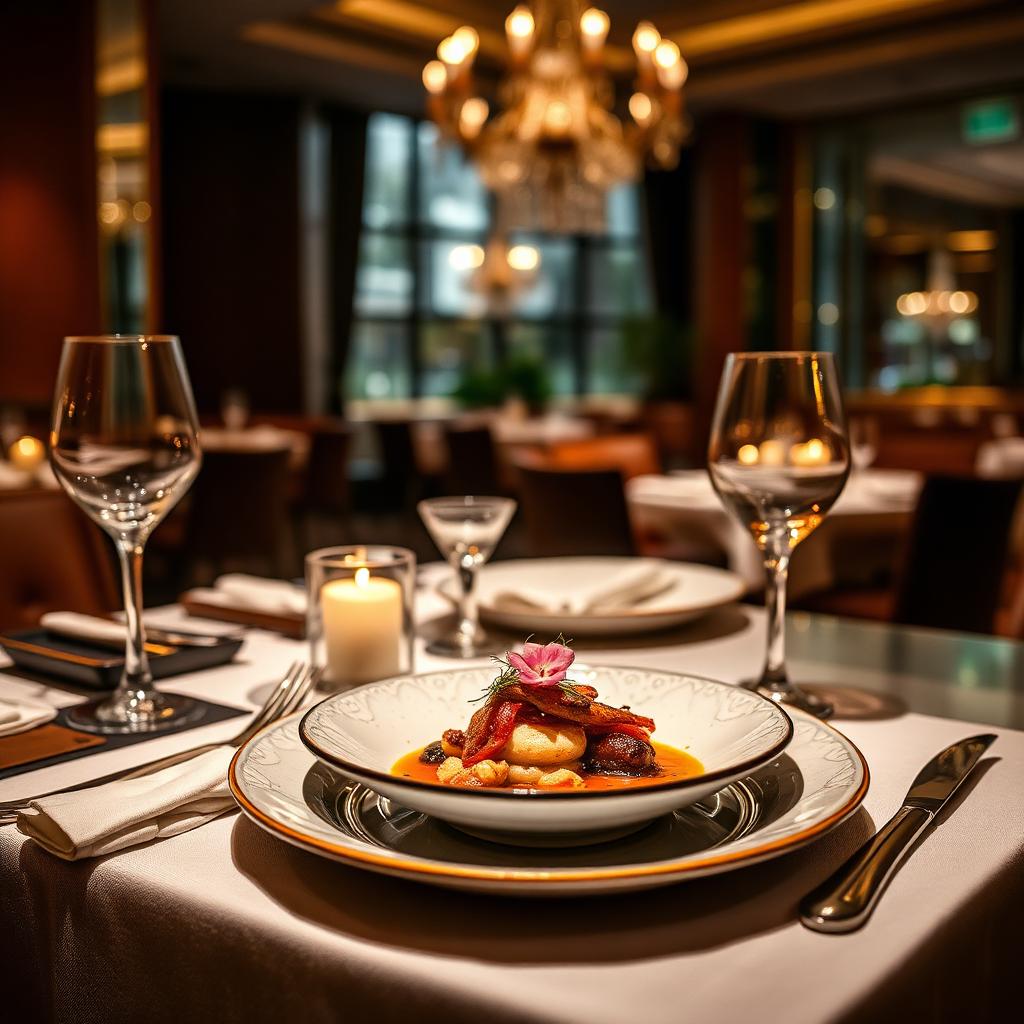
A destination meal is strongest when technique, ingredients, hospitality, and place reinforce one another. Awards can inform a shortlist, but they do not replace practical research or personal preference.
What recognized ratings actually assess
The Michelin Guide states that its restaurant stars concern the food on the plate and identifies five criteria: ingredient quality, mastery of cooking techniques, harmony of flavors, the chef's personality expressed through the cuisine, and consistency across the menu and over time. Service and decor are documented separately and do not determine the star itself. This matters because an elaborate room is not evidence of exceptional cooking, and a modest dining room can hold major culinary distinction.
Ratings are snapshots produced under a particular methodology. They can help travelers discover restaurants, but availability, menu format, accessibility, dietary accommodation, atmosphere, and value remain individual questions. Consult the restaurant's own current information before arranging a trip around it.
Read the menu as a statement of place
A coherent destination restaurant often makes its region legible through produce, preservation methods, fishing or farming traditions, and local dining rituals. Local sourcing alone does not guarantee quality or sustainability. Ask how ingredients are selected, whether substitutions are common by season, and whether the restaurant can explain important producers rather than using locality as a vague marketing term.
For tasting menus, determine the number of courses, expected duration, beverage options, and whether supplements materially change the advertised experience. Diners with allergies should contact the restaurant before booking. A kitchen may be unable to remove a foundational ingredient safely, especially when menus involve shared preparation areas or fermented sauces.
- Confirm the full menu price, service charge, deposit, and cancellation window.
- Disclose allergies early and ask whether the kitchen can accommodate them safely.
- Check dress guidance, accessibility, photography rules, and expected meal duration.
- Treat unofficial reservation resales cautiously and use the restaurant's named booking channel.
Service, wine, and informed choice
Good service clarifies rather than performs exclusivity. Staff should be able to explain pacing, ingredients, and costs without pressure. A sommelier can propose bottles or pairings at a stated budget; guests should feel comfortable naming that limit. Pairings can be generous in aggregate, so alcohol-free programs and wines by the glass deserve the same scrutiny as prestige bottles.
Food safety is not suspended by luxury positioning. Public inspection systems differ by jurisdiction, and diners should consult the relevant local authority where records are available. For allergy information in the United States, the Food and Drug Administration identifies nine major food allergens, though individual sensitivities extend beyond that list.
Build a culinary trip without overloading it
One ambitious tasting menu in a day is usually enough. Leave room for markets, bakeries, neighborhood establishments, and regional dishes served in simpler settings. They provide context that a formal restaurant alone cannot. Avoid scheduling a nonrefundable meal immediately after a flight or tight connection.
Record what mattered after the meal: a technique, producer, ingredient, service gesture, or regional idea. The best culinary travel expands understanding, not merely a list of reservations.
Sources and further reading
- What is a Michelin Star? - The Michelin Guide
- Food Allergies - U.S. Food and Drug Administration
- Five keys to safer food manual - World Health Organization
Editorial note: availability, prices, entry rules, schedules, credentials, and local conditions can change. Verify material details with official providers before booking or purchasing.