
Design, engineering and collecting
Automobiles
A considered guide to significant automobiles: design integrity, engineering, condition, provenance, usability and the responsibilities of collecting.
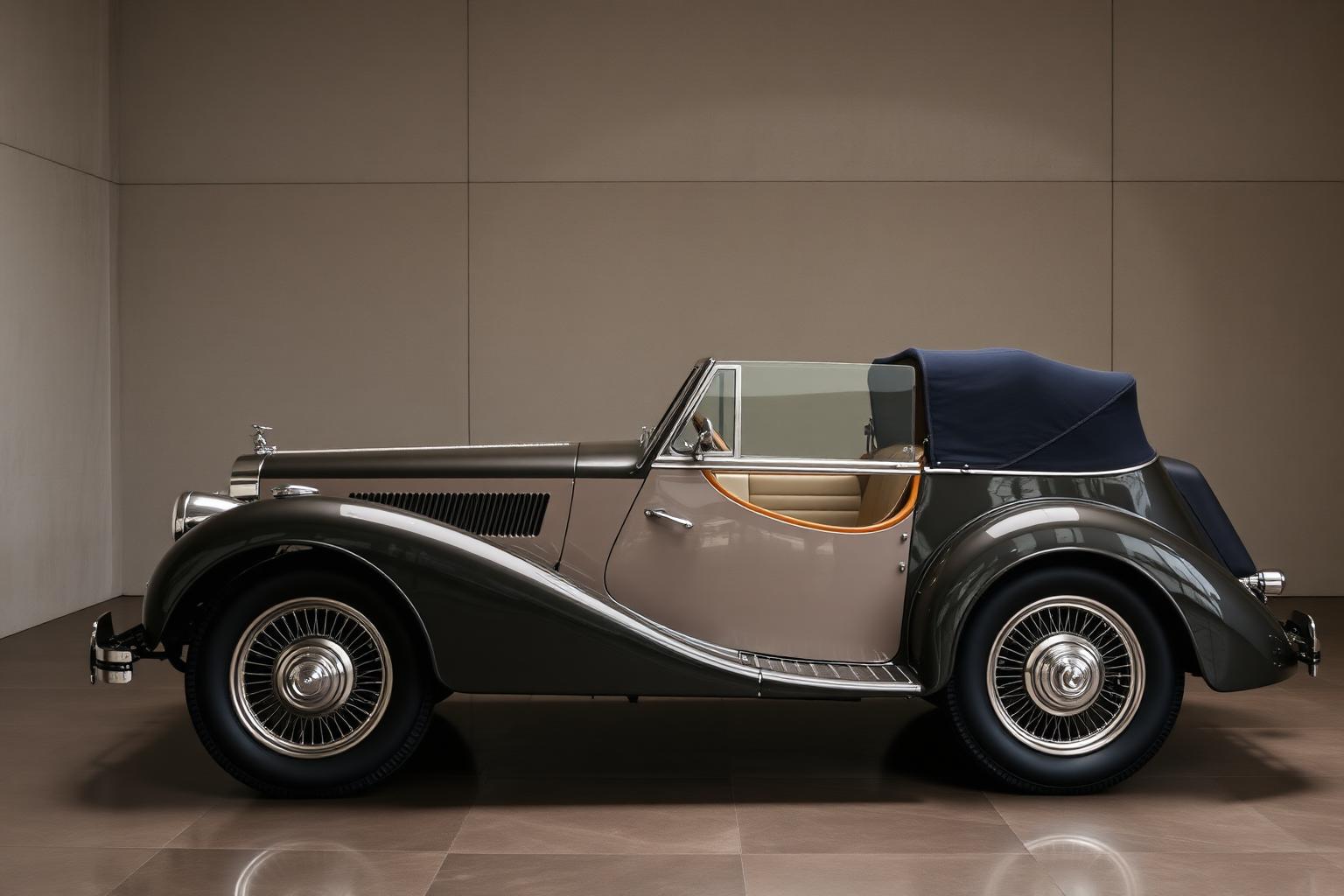
A desirable automobile is more than transport and more than a price graph. The strongest examples bring engineering, proportion, material intelligence and a clear purpose into one coherent object. Some matter because they changed production or competition; others because a designer resolved difficult packaging constraints with unusual grace. Historical importance, however, does not guarantee that a particular car is authentic, usable or appropriate for its next custodian.
This guide treats collector cars as complex machines with documentary histories. It separates cultural significance from market enthusiasm and focuses on evidence a buyer can inspect: identity numbers, ownership records, period specifications, restoration files, maintenance history and the physical relationship between major components. Specialist inspection and jurisdiction-specific legal advice remain essential before a transaction.
What makes an automobile significant
Significance can come from technical innovation, competition history, influential styling, rarity, association with an important maker or a well-documented place in social history. These qualities should be described precisely. A model may be influential while an individual chassis has no exceptional history; conversely, an ordinary production model can become historically important through documented use.
Design should be read in relation to engineering and purpose. Aerodynamics, visibility, cooling, occupant space, weight and manufacturing methods all shape form. Close study asks why a line, material or mechanism exists rather than treating every visual flourish as timeless design.
Provenance, identity and originality
Provenance is the documented chain connecting an automobile to its past. Registration records, factory records, invoices, dated photographs, race entries and correspondence can support that chain. No single document is automatically conclusive, and gaps should be disclosed rather than filled with assumptions.
Originality is not a simple percentage. Cars are maintained objects: paint, upholstery, engines and structural components may be repaired or replaced. The important questions are what changed, when, why, by whom and whether records support the account. Matching identifiers can matter, but their meaning varies by marque and era and should be verified by a qualified specialist.
Condition, restoration and stewardship
A pre-purchase inspection should assess structure, corrosion, accident repair, mechanical systems, electrical condition, safety equipment and the quality of previous work. Cosmetic presentation can conceal expensive needs. A car that has been static may require more recommissioning than one exercised and serviced consistently.
Restoration involves choices. Conservation preserves surviving material; restoration may return an object toward an earlier state; modification adapts it for a different use. None is inherently correct in every case, but the work should be documented and reversible where practical. Future custodians benefit from photographs, invoices, removed components and a written account of decisions.
Buying without relying on investment promises
Auction results are observations, not guaranteed valuations. Specification, condition, history, venue, currency, taxes and buyer premiums make apparently similar sales difficult to compare. Thinly traded models can move sharply when only a few examples appear.
A realistic ownership budget includes inspection, transport, registration, insurance, secure storage, routine service, tires, fluids and unexpected mechanical work. Buy for a use you can articulate and at a level you can sustain. Enjoyment, research and preservation are more controllable than future resale value.
Essential questions
What documents matter when buying a collector car?
Look for identity and registration records, maintenance invoices, restoration documentation, dated photographs, factory records where available and a clear chain of ownership.
Does low mileage always make a car better?
No. Mileage is one condition indicator, while long inactivity, poor storage or deferred maintenance can create substantial mechanical needs.
Are collector cars reliable investments?
No return is assured. Values can be illiquid and highly sensitive to condition, history, fashion, transaction costs and the wider economy.