
Est. 1905
Authority Center
An editorial center on collectible and investment-grade timepieces: an academy that explains how the market actually works, and brand hubs for the eight names that anchor serious collecting in 2026.
The modern luxury watch industry is shaped by premiumisation, controlled allocation, and a deep secondary market for investment watches, collectible watches and rare luxury watches. For serious collectors, fine watches sit alongside art and rare wine as durable luxury assets and wealth preservation instruments - not speculation, but a slow, disciplined form of alternative investing.
At the apex sit the blue chip watch brands: Rolex, Patek Philippe, Audemars Piguet, Vacheron Constantin and A. Lange & Söhne, with Omega, Cartier and Jaeger-LeCoultre completing the core of any serious watch portfolio. Beyond them, the independent watchmakers - F.P. Journe, Richard Mille, MB&F, H. Moser & Cie, Breguet and Blancpain - define haute horology at its most uncompromising, regularly setting watch auction records at Phillips, Christie's and Sotheby's.
Our editorial program covers the full landscape of luxury timepieces: luxury sports watches, dress watches, chronographs, dive watches, GMTs and pilot watches; mens luxury watches and womens luxury watches; limited edition watches, grail watches and future collectible watches. Each guide is built around watch valuation, watch resale value, and the realities of allocation - not hype cycles.
Ten evergreen guides on how the market works.
Academy • 9 min
The economic mechanics behind allocation, scarcity, and resale value in fine watchmaking.
Academy • 8 min
The seven attributes that separate collectible watches from merely expensive ones.
Academy • 7 min
Why some references are impossible to buy at list price - and what that actually means.
Academy • 8 min
How to think about the trade-off between historical significance and contemporary engineering.
Academy • 7 min
Where to start a serious collection without overextending.
Academy • 7 min
Heritage, mechanics, and resilience inside a serious-but-accessible budget.
Academy • 8 min
The bracket where serious collecting begins.
Academy • 8 min
Where the holy trinity begins to come into view.
Academy • 6 min
The avoidable errors that compress portfolios.
Academy • 8 min
What is moving - and what is not - in the 2026 watch market.
The eight houses that anchor serious watch collecting in 2026.
Est. 1905
Est. 1839
The reference of the holy trinity and the most collectible name in watchmaking.
Shop Patek Philippe on Amazon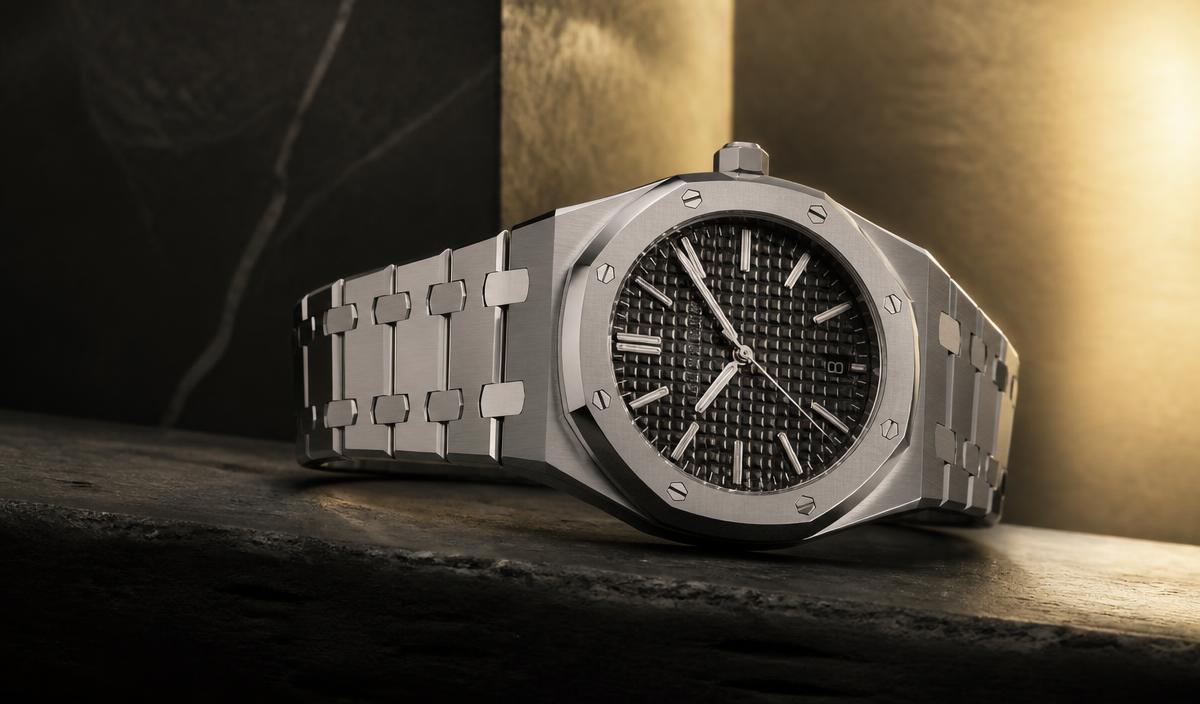
Est. 1875
Genta's 1972 silhouette and the founders' atelier still independent today.
Shop Audemars Piguet on Amazon
Est. 1755
The oldest continuously operating watch manufacture in the world.
Shop Vacheron Constantin on Amazon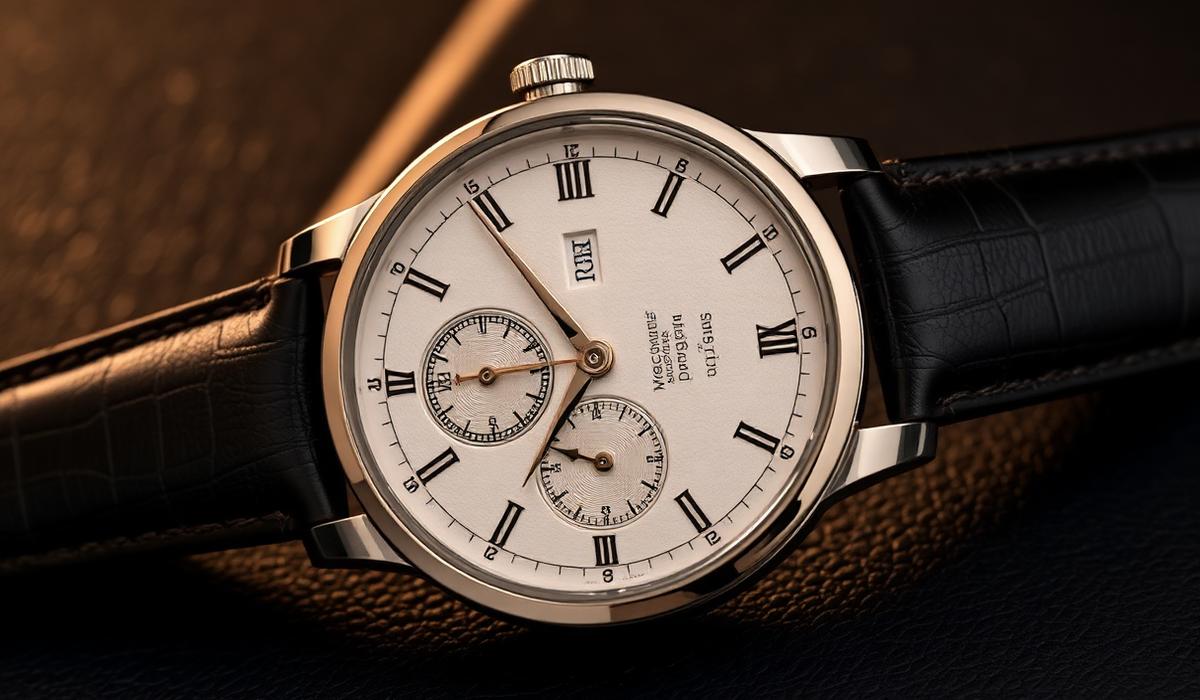
Est. 1845 / 1990
Saxon high horology with movement finishing rivaled by almost no one.
Shop A. Lange & Söhne on Amazon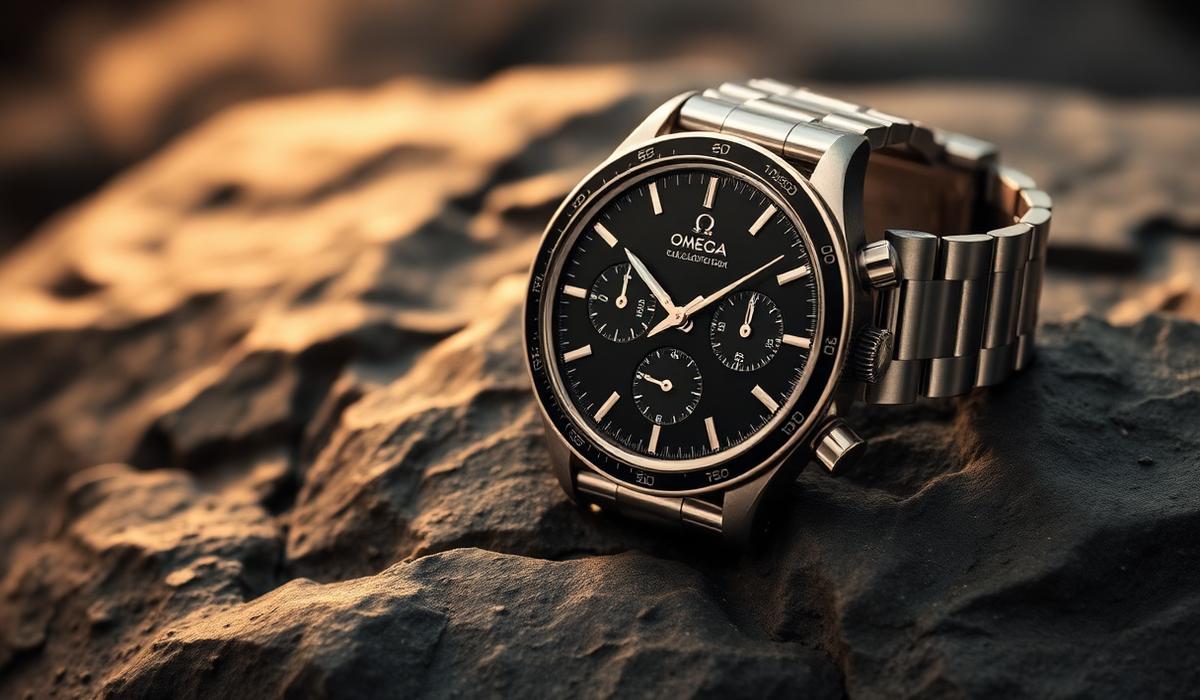
Est. 1848
Heritage at scale and the most defensible entry to investment-grade watchmaking.
Shop Omega on Amazon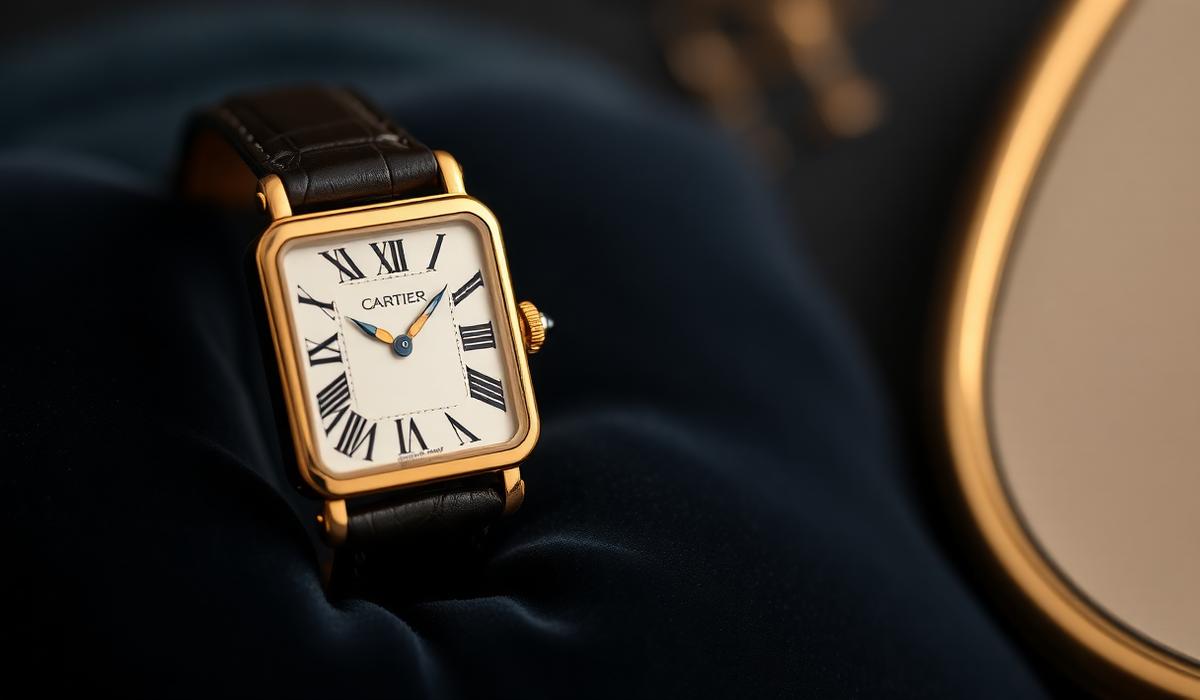
Est. 1847
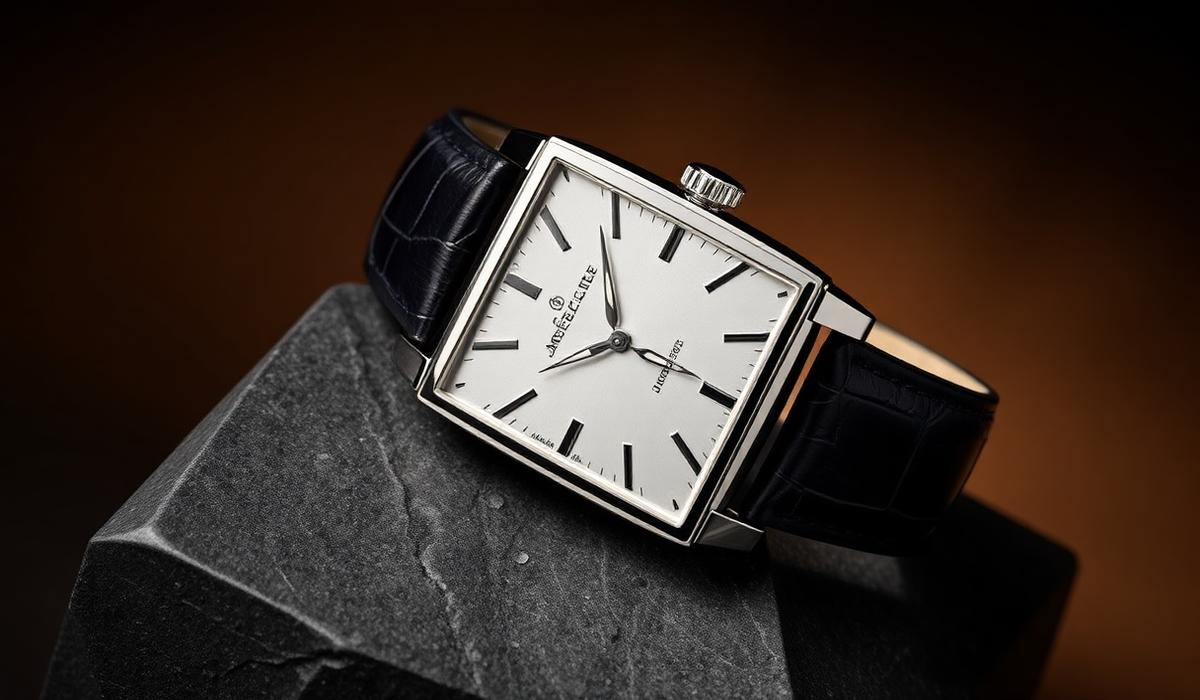
Est. 1833
Investment watches are luxury timepieces - typically Swiss mechanical watches from prestigious houses such as Rolex, Patek Philippe, Audemars Piguet, Vacheron Constantin and A. Lange & Söhne - whose combination of scarcity, brand discipline, mechanical relevance and heritage allows them to hold or appreciate in value on the secondary market. Investment-grade watches function as a niche category of luxury assets and wealth-preservation collectibles, distinct from speculative flipping.
The blue-chip core of watch collecting in 2026 is Rolex, Patek Philippe and Audemars Piguet, anchored by Vacheron Constantin, A. Lange & Söhne, Omega, Cartier and Jaeger-LeCoultre. At the haute horology and independent watchmaker tier, F.P. Journe, Richard Mille, MB&F, H. Moser & Cie, Breguet and Blancpain dominate auction records and grail-watch wishlists.
Watches that hold value share three traits: controlled production, deep secondary-market demand, and a quiet, time-tested design language. In practice that means stainless-steel Rolex sports references, Patek Philippe Nautilus and Aquanaut, the Audemars Piguet Royal Oak, Lange Datographs and Odysseus, and limited-edition releases from top independents. These are the references most consistently described as future collectible watches and blue-chip watches.
Watch auction results from Phillips, Christie's, Sotheby's and Antiquorum, combined with quarterly luxury watch market reports, give collectors a transparent read on resale value, rarity premiums and emerging trends. Our editorial coverage translates auction records and market analysis into practical buying guides for collectors, investors and first-time buyers of fine watches.
High horology - or haute horology - refers to watchmaking at the highest mechanical level: in-house movements, hand-finishing, complications such as perpetual calendars, minute repeaters and tourbillons, and very limited production. Mainstream luxury watches deliver premium design and Swiss quality at scale, while haute horology houses such as Patek Philippe, A. Lange & Söhne, Vacheron Constantin and F.P. Journe operate at the apex of the luxury watch industry.