
Cultural commentary
The Emotional Life of a Watch
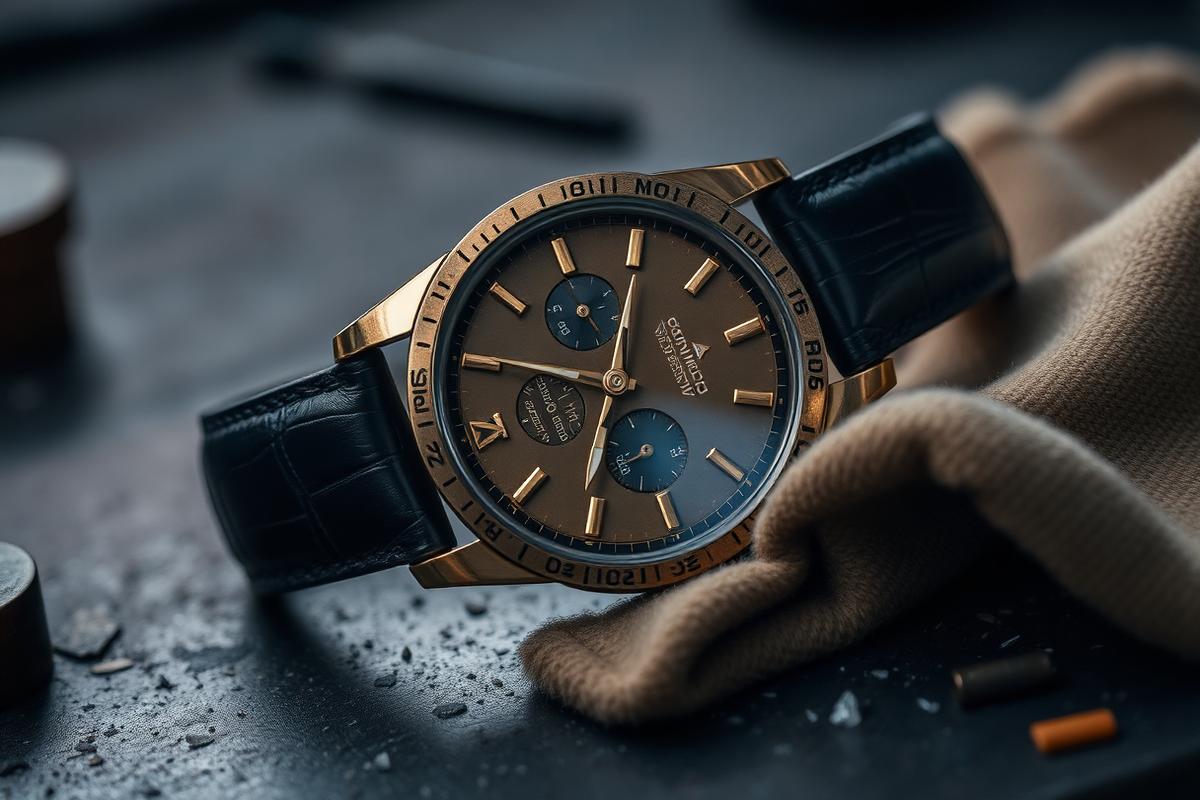
A watch measures standardized time while accumulating private time: beginnings, routines, absences, achievements, and marks of daily wear.
Summary answer
The short answer
A watch can become emotionally significant because it stays close to the body and participates in repeated routines and memorable events. Wear, servicing, gifts, and inheritance add biography. Its meaning is neither guaranteed by price nor reducible to accuracy or resale value.
Two kinds of time
A watch displays public time: minutes agreed upon so that people can meet, work, travel, and coordinate. Yet the same object gathers private time through the occasions on which it is worn. This gap between measured and lived time gives the watch unusual narrative potential.
A retirement watch, wedding gift, travel companion, or daily tool can become a marker of duration. The mechanism remains indifferent; the wearer supplies the biography.
Why the wrist matters
A wristwatch occupies an intimate position. It touches skin, enters photographs, and is consulted through a small repeated gesture. Familiarity can make its weight and sound part of bodily routine.
Close contact does not automatically produce affection. Comfort, reliability, aesthetics, and circumstance all matter, and many watches remain interchangeable instruments.
Service interrupts the story
Mechanical watches require maintenance, and service raises a revealing question: which changes preserve the object and which erase its history? Replacing a failed component may sustain use, while aggressive refinishing may remove marks valued by an owner or collector.
There is no universal answer. Safety, water resistance, originality, appearance, and future repairability must be balanced. Good records make those choices legible to later keepers.
The watch as heirloom
A watch is compact, durable, and wearable, which helps explain its appeal as an heirloom. Putting it on can create an embodied sense of continuity unavailable from a photograph alone.
An inherited watch can also be too fragile, costly, conspicuous, or emotionally difficult to wear. Preservation and daily use are different forms of respect.
Beyond market language
Reference numbers, auction results, and condition reports offer a precise vocabulary, but they describe only part of a watch's value. The most important watch in a life may be common, altered, or commercially modest.
Its emotional life begins where specification ends: with the days it accompanied, the hand that wound it, the decisions to repair it, and the person who may receive it next.
Frequently asked questions
Sources and further reading
- Our Special Possessions: An Inquiry Into the Ways in Which We Attribute Meanings to Consumer Goods - Journal of Consumer Research (1987)
- Possessions and the Extended Self - Journal of Consumer Research (1988)
- The State of Psychological Ownership: Integrating and Extending a Century of Research - Review of General Psychology (2018)
- Material Memories: Design and Evocation - Berg (2009)
- Broken: Mending and Repair in a Throwaway World - Cooper Hewitt, Smithsonian Design Museum (2020)