
Editorial analysis
Why Patina, Wear, and Imperfection Can Add Meaning
Wear can make time visible, but the line between meaningful patina, damage, neglect, and manufactured age depends on material, function, and context.
Summary answer
The short answer
Patina and wear can add meaning when they provide legible evidence of age, use, care, or repair. They may individualize an object and connect it to lived time. Not all deterioration is valuable: damage can threaten function, safety, or historical evidence.
Time made visible
Patina is a material change and a cultural interpretation. Oxidation, fading, softened edges, and surface marks reveal exposure and use, yet people decide which changes look dignified and which look ruined.
Those judgments vary by category. A faded textile, polished bronze, scratched watch, and cracked structural component cannot be evaluated by the same rule.
Wear individualizes
Use alters objects in patterns specific to bodies and routines. Leather darkens where it is held; a desk develops marks at repeated points of work. These traces can make one example unlike any replacement.
Individuality is not automatically beauty. Meaning comes from the history a trace can reasonably support, not from damage alone.
Repair adds another author
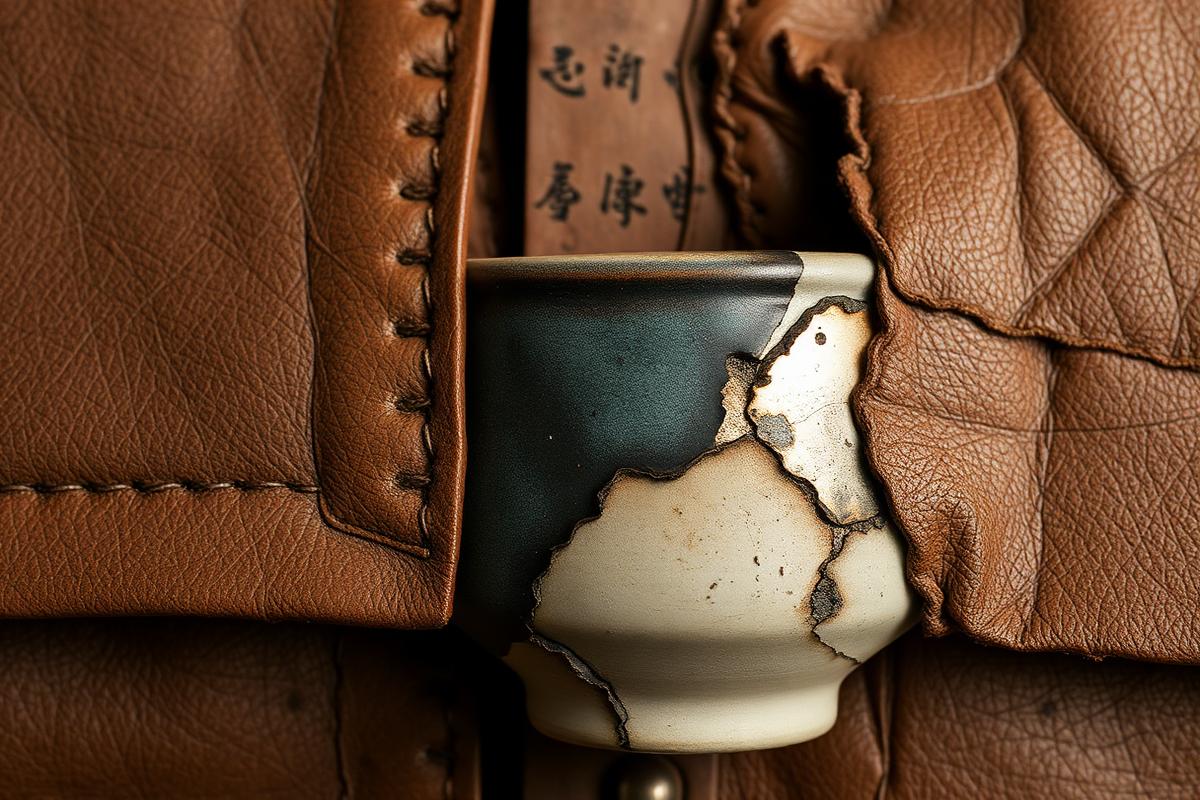
A repair records a choice to continue. It may aim for invisibility, declare itself, or adapt an object to a new use. In each case, the repairer joins the object's chain of authorship.
Good repair respects material, reversibility where relevant, safety, and future maintenance. Romanticizing repair should not excuse poor workmanship or conceal alteration.
Condition and meaning can conflict
Collectors and conservators may value originality while users need reliability. Replacing a worn strap, unstable finish, or dangerous wire can reduce one kind of historical evidence while preserving function and access.
The best choice depends on significance and intended use. Recording before-and-after condition makes the compromise visible.
Beware manufactured history
Markets can imitate age through distressing, pre-fading, artificial oxidation, and stories of authenticity. Such objects may be aesthetically appealing, but staged wear should not be confused with provenance.
Real patina is not valuable because it looks old. It matters when material evidence, documentation, and a credible history of use meet.
Frequently asked questions
Sources and further reading
- Broken: Mending and Repair in a Throwaway World - Cooper Hewitt, Smithsonian Design Museum (2020)
- Material Memories: Design and Evocation - Berg (2009)
- Our Special Possessions: An Inquiry Into the Ways in Which We Attribute Meanings to Consumer Goods - Journal of Consumer Research (1987)
- The State of Psychological Ownership: Integrating and Extending a Century of Research - Review of General Psychology (2018)