
Mediterranean Retreats
The Art of Slow Travel
A practical, evidence-led guide to planning a slower Mediterranean journey with deeper local context and less transit.
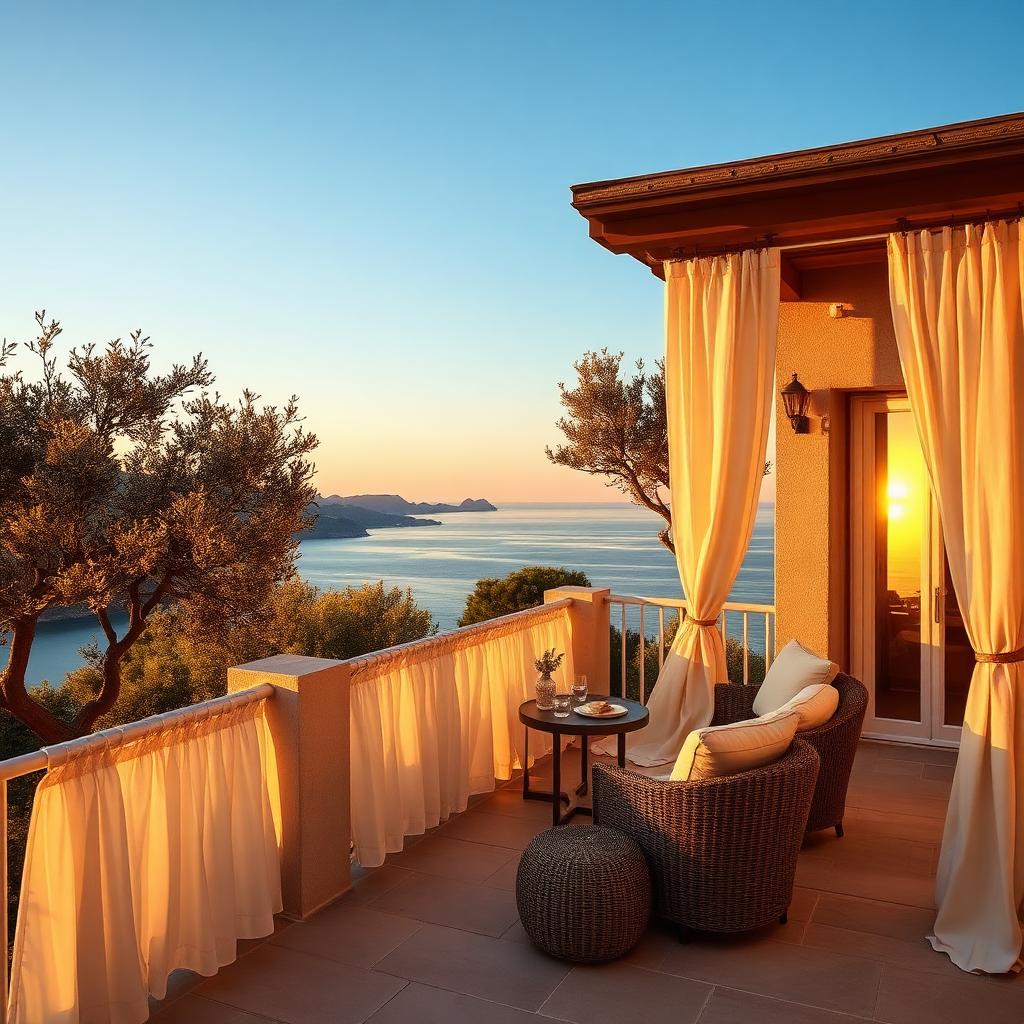
Slow travel is not simply a long holiday. It is a planning method: choose fewer bases, travel overland when practical, buy from locally rooted businesses, and leave enough time to understand a place beyond its headline sights.
What slow travel means in practice
A useful slow itinerary replaces frequent transfers with longer stays. Seven nights split among four islands may produce more ferry terminals than meaningful encounters; seven nights in one town creates time for markets, neighborhood restaurants, walks, and repeat conversations. The point is not inactivity. It is reducing logistical churn so that attention can move from transport to place.
The United Nations World Tourism Organization frames sustainable tourism around economic, social, and environmental effects, including the needs of visitors, industry, host communities, and the environment. For a traveler, that translates into specific choices: avoid overcrowded peak periods where possible, respect local water constraints, use established paths, and direct more spending to locally owned accommodation, guides, and food producers.
Choosing a Mediterranean base
Start with season and geography rather than a hotel shortlist. Coastal heat, ferry frequency, public transport, wildfire risk, and local opening patterns vary sharply by region and month. Spring and autumn can offer milder conditions and less pressure on celebrated destinations, but seasonal air and sea schedules may be reduced. Verify current transport and official safety information before booking.
A credible retreat should describe its location precisely, disclose access requirements, and explain what is included. Look beyond the word secluded: determine travel time to medical care, whether a car is necessary, how drinking water is supplied, and whether meals and housekeeping are available daily. Historic buildings may have stairs, uneven paths, or limited cooling, so accessibility questions should be asked directly.
- Stay at least three nights per base; five to seven allows a more settled rhythm.
- Check official ferry or rail operators instead of relying only on itinerary aggregators.
- Ask who owns and operates the property and which services are sourced locally.
- Confirm cancellation, climate-control, accessibility, and transfer terms in writing.
Luxury with local value
Luxury and responsibility are not opposites, but high prices do not prove local benefit. A strong property can identify regional growers, craftspeople, architects, and guides involved in the guest experience. UNESCO's World Heritage and Sustainable Tourism Programme emphasizes stakeholder cooperation and local community engagement around heritage destinations. Travelers can support that principle by choosing qualified local guides and treating protected places as living communities rather than scenery.
Avoid claims that a trip is environmentally harmless. Aviation, private transfers, cooling, pools, laundry, and imported food all carry impacts. More credible operators explain measurable practices and limitations without promising perfection. Longer stays can reduce the number of transfers per travel day, while trains and ferries may be practical alternatives on some routes. The appropriate comparison depends on route, occupancy, and operating conditions.
A considered booking sequence
Choose the region first, then set a realistic radius for day trips. Check official entry rules, seasonal transport, travel insurance coverage, and local conditions. Shortlist properties only after those constraints are clear. Before paying, request the complete rate, taxes, deposit and cancellation terms, transfer details, meal plan, and any mandatory fees.
Finally, leave unallocated time. A slow itinerary needs space for weather, a longer lunch, an unexpected workshop, or simply returning to a place worth seeing twice. That flexibility is not wasted capacity. It is the central value of traveling slowly.
Sources and further reading
- Sustainable development - UN Tourism
- World Heritage and Sustainable Tourism Programme - UNESCO World Heritage Centre
- Travel advice - UK Foreign, Commonwealth & Development Office
Editorial note: availability, prices, entry rules, schedules, credentials, and local conditions can change. Verify material details with official providers before booking or purchasing.