Purchasing your first serious timepiece is a rite of passage. Unlike most luxury goods, a well-chosen watch can appreciate in value, be passed down through generations, and serve as a daily companion for decades. But the world of horology can be intimidating. This guide will help you navigate it with confidence.
Understanding the Hierarchy
The watch world has an informal but widely recognized hierarchy. At the apex sit the "Holy Trinity": Patek Philippe, Audemars Piguet, and Vacheron Constantin. Just below are the super-premium independents like A. Lange & Söhne, Jaeger-LeCoultre, and Breguet. Then come the prestigious mainstream brands: Rolex, Omega, Cartier, and IWC.
This hierarchy isn't about which watches are "better"-a $9,000 Rolex Submariner is an exceptional timepiece by any measure. It's about understanding the relative positioning and what you're paying for at each level.
What You're Really Buying
When you purchase a luxury watch, you're paying for several things: the movement (the mechanical heart), the case and finishing, the brand heritage, and the retail and support infrastructure. Understanding how each brand allocates resources helps explain price differences.
- Movement complexity and finishing-from basic automatics to grand complications
- Case materials-steel, gold, platinum, and exotic alloys
- Hand finishing-beveling, polishing, and decoration visible only under magnification
- Research and development-the years of work behind new calibers
- Heritage and storytelling-the brand's history and cultural significance
Starting Points by Budget
Under $5,000: Consider Tudor, Longines, or Oris. These brands offer exceptional value with in-house movements and genuine heritage. The Tudor Black Bay and Longines Spirit are outstanding entry points.
$5,000-$15,000: This range opens up Rolex, Omega, and Cartier. The Rolex Oyster Perpetual, Omega Speedmaster, and Cartier Tank are modern classics that will hold their value and provide decades of service.
"Your first watch should be something you'll never want to sell," advises collector Kevin Rose. "Don't chase trends or try to impress others. Choose something that speaks to you personally."
$15,000-$50,000: Welcome to the world of the Holy Trinity and top-tier independents. A Patek Philippe Calatrava, Audemars Piguet Royal Oak, or A. Lange & Söhne Saxonia represents a significant step up in finishing and exclusivity.
New vs. Pre-Owned
The pre-owned market deserves serious consideration. Beyond the obvious value proposition (often 20-40% below retail), pre-owned offers access to discontinued references and vintage pieces unavailable new. Reputable dealers like Hodinkee, Watchbox, and Crown & Caliber provide authentication and warranties.
The Authorized Dealer Relationship
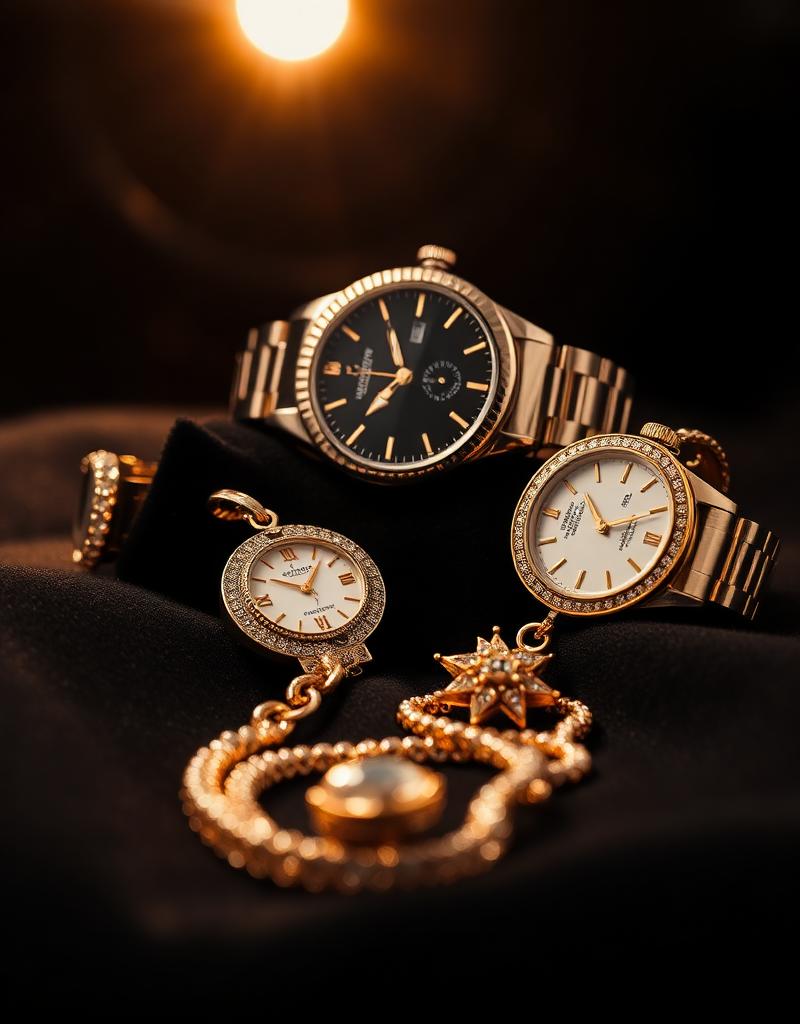
For certain brands-most notably Rolex and Patek Philippe-building a relationship with an authorized dealer is essential. Popular models often have years-long waiting lists, and allocation typically goes to established customers. Start with models that are available, be patient, and view the relationship as a long-term investment.
Essential Considerations
Size matters more than you think. The trend toward larger watches is reversing; many collectors now prefer 36-40mm cases that wear elegantly on any wrist. Try watches on before purchasing, and consider how they'll wear with your typical wardrobe.
Service costs are significant. A full service for a complicated watch can cost $1,000-$3,000 and should be performed every 5-7 years. Factor this into your total cost of ownership.
Documentation and provenance matter for resale value. Keep all boxes, papers, and receipts. For vintage pieces, service history and original parts significantly impact value.
Final Thoughts
A fine watch is one of the few luxury purchases that can genuinely last forever. Choose wisely, maintain it properly, and it will reward you with decades of reliable service and quiet satisfaction. In a world of disposable goods and planned obsolescence, that's worth something immeasurable.