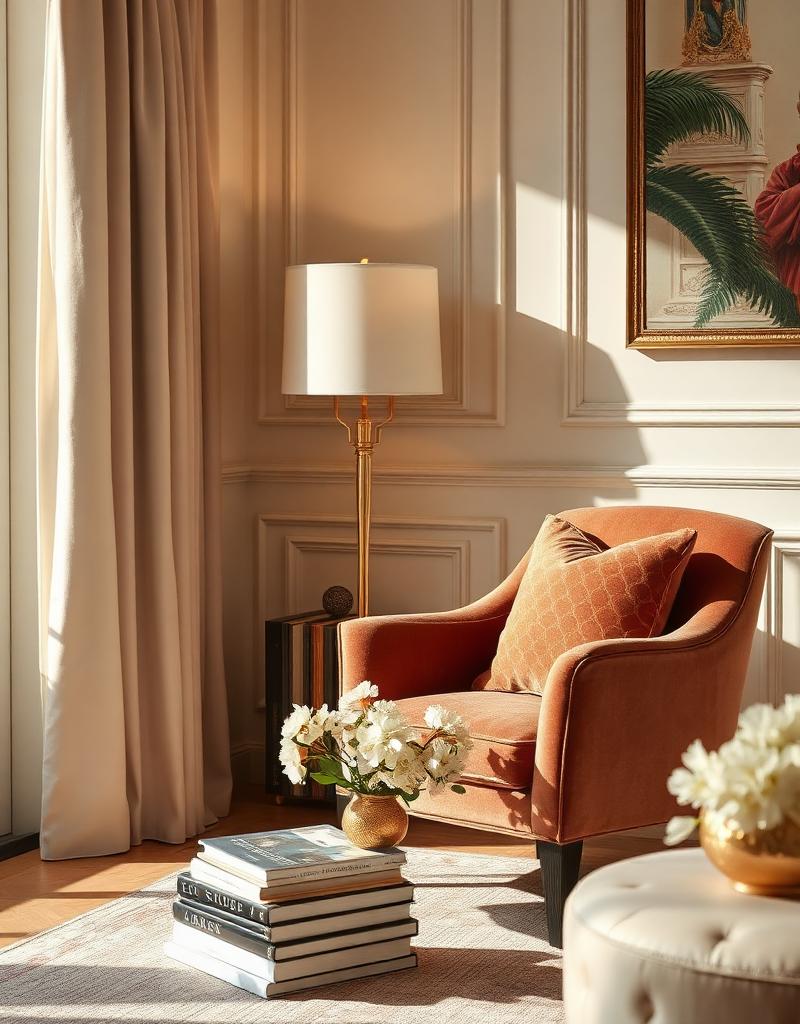
In 1925, the geometric patterns of Art Deco represented the cutting edge of modernity. By 1945, they looked dated-relics of a bygone era. Today, a hundred years later, Art Deco is appreciated again as elegant and timeless. This cycle-from novel to dated to classic-reveals something important about how taste evolves.
Understanding this cycle is crucial for anyone seeking to invest in objects that will last. What separates fleeting trends from enduring style? How can we distinguish between the genuinely timeless and the merely fashionable?
The Anatomy of a Trend
Trends follow predictable patterns. They begin at the margins-adopted by early innovators seeking novelty and distinction. As they spread, they become associated with specific moments, communities, and cultural movements. This association gives them meaning but also dates them.
"Fashion is about now. Style is about always. The trick is knowing which now will become an always." - Coco Chanel
Eventually, trends become ubiquitous-visible everywhere from high-end boutiques to fast fashion. This saturation marks the beginning of the end. Once everyone has adopted a trend, its power to distinguish disappears. The sophisticated move on, seeking the next source of novelty.
The Trough of Embarrassment
After peak saturation comes the 'trough of embarrassment'-a period when things that were recently fashionable become actively embarrassing. Platform shoes from 2003. Minimalist logos from 2010. Whatever was trendy five to fifteen years ago occupies this dangerous zone.
The trough exists because these objects are close enough to remember but far enough to lack freshness. They remind us of versions of ourselves we've outgrown. The aversion isn't really to the object-it's to the past it represents.
Emergence of the Classic
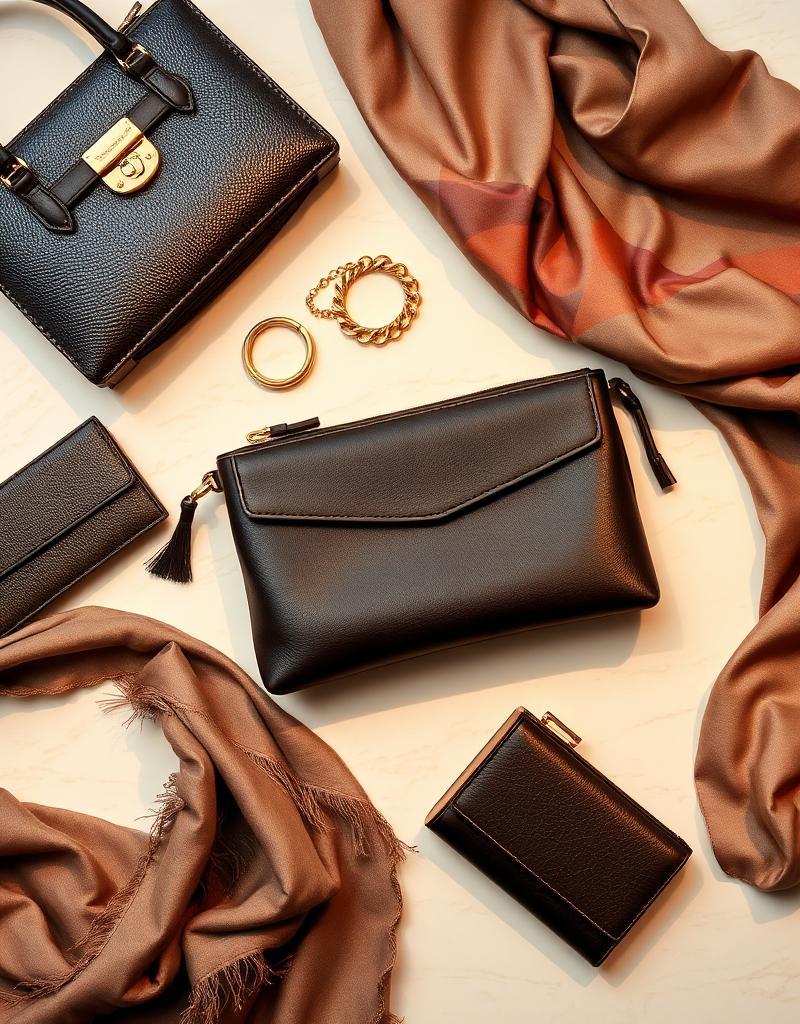
Some objects survive the trough and emerge as classics. They're reappraised, collected, celebrated. What determines which objects make this journey? Several factors seem to matter:
- Quality of execution: poorly made objects rarely become classics
- Strength of original design: exceptional design transcends its era
- Cultural significance: objects that defined moments retain meaning
- Scarcity: mass-produced items struggle to achieve classic status
- Continued functionality: objects that remain useful remain relevant
The Eames Lounge Chair passed this test. The avocado-colored refrigerator didn't. Both were cutting-edge in their time. The difference lies in the quality and universality of the underlying design.
Recognizing Timeless Design
Certain characteristics predict timelessness. Timeless objects tend toward restraint-they avoid excess ornamentation that can date. They solve fundamental human needs in elegant ways. They use materials that age gracefully. They reference tradition without being derivative.
Consider the Porsche 911. Introduced in 1964, its silhouette has evolved gradually while remaining instantly recognizable. It avoids trendy styling cues. It references historical racing without being retro. It performs its function-being a sports car-better with each generation. This is timeless design in action.
The Role of Context
Context matters enormously. An object that reads as timeless in one setting can read as dated in another. A vintage Rolex works with a well-cut suit but might feel like costume with casual wear. A mid-century chair shines in a modern home but can feel like a museum piece in a traditional one.
The masters of style understand this. They mix timeless pieces with contemporary ones, creating tension that keeps classics feeling fresh. They understand that timelessness isn't a quality objects have-it's a quality that emerges from relationships between objects, settings, and eras.
Betting on the Future
Can we predict which of today's objects will become tomorrow's classics? It's difficult but not impossible. Look for exceptional design and execution. Look for objects that solve real problems elegantly. Look for restraint over excess. Look for quality materials that will age well.
And perhaps most importantly: trust your own response over market consensus. The objects that become classics are often overlooked when new. They don't fit neatly into trends because they transcend trends. The eye that recognizes timelessness often feels out of step with fashion.
A Philosophy of Lasting Things
Ultimately, the distinction between timeless and trendy reflects a choice about how to engage with material culture. The trend-follower seeks novelty and social currency. The style-pursuer seeks quality and personal meaning. Both approaches are valid-but they lead to very different collections over time.
The person who consistently chooses timeless over trendy will, after decades, find themselves surrounded by objects that continue to bring pleasure. The person who follows trends will find themselves in a perpetual cycle of acquisition and disposal, always chasing freshness that fades.
This isn't about rejecting the new. It's about developing the discrimination to separate the genuinely significant from the merely fashionable. That discrimination is called taste-and cultivating it is one of life's genuine pleasures.