There's a scene in Succession where Kendall Roy, worth billions, walks into a meeting wearing a plain gray hoodie and unremarkable sneakers. To the uninitiated, he looks like a tech worker. To those who know, the hoodie is Loro Piana cashmere ($2,500), and the sneakers are custom Common Projects. This is quiet luxury in action.
The concept isn't new-old money has always favored understated elegance over obvious display. What's changed is that quiet luxury has become aspirational for a much broader audience, driven by cultural shifts, social media backlash, and a genuine reevaluation of what status means.
The Death of the Logo
For decades, luxury brands competed on logo visibility. The bigger the monogram, the more clearly you signaled your purchasing power. But something shifted. Perhaps it was the proliferation of counterfeits making logos meaningless as authenticity markers. Perhaps it was Instagram saturation creating aesthetic fatigue. Perhaps it was the cultural moment demanding subtlety in times of inequality.
"True luxury is invisible to those who don't understand it," explains Brunello Cucinelli. "It speaks in whispers-in the quality of a seam, the weight of a fabric, the precision of a cut."
Whatever the cause, the result is clear: the most sophisticated consumers are actively avoiding obvious branding. The Row, Loro Piana, and Bottega Veneta have built empires on logoless excellence. Even traditionally logo-heavy brands are offering discrete alternatives.
The Stealth Wealth Aesthetic
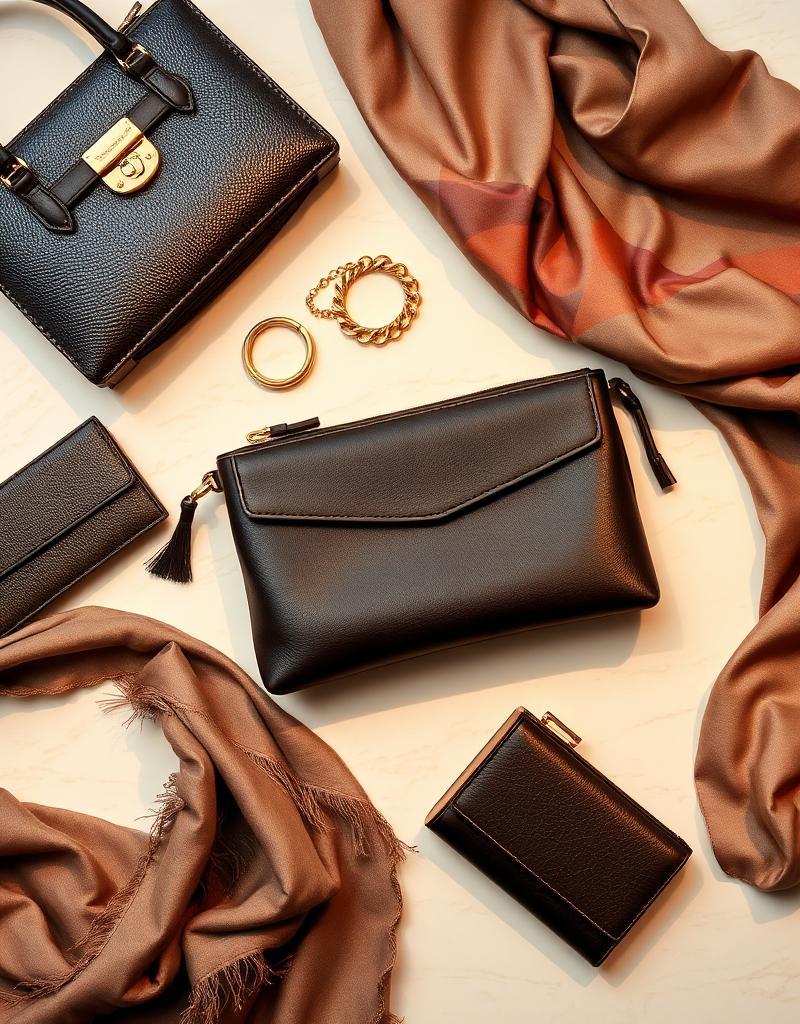
Quiet luxury has developed its own visual language. Neutral palettes: cream, camel, gray, navy. Natural fabrics: cashmere, silk, fine wool, linen. Perfect tailoring. Minimal jewelry. The overall effect suggests wealth without declaring it-you need knowledge to recognize the brands and quality.
- The Row's $5,000 cashmere sweater that looks like any other cream sweater
- Brunello Cucinelli's suits with no external branding whatsoever
- Bottega Veneta's signature weave-recognizable to initiates, invisible to others
- Loro Piana's cashmere that you feel before you see
- Khaite's perfectly cut basics at four-figure price points
Quality as Statement
When you strip away logos, quality becomes the differentiator. A Loro Piana sweater doesn't look different from a J.Crew sweater in a photograph. The difference is in the hand feel, the drape, the way it ages over years of wear. This represents a more sophisticated form of consumption-one that prioritizes lived experience over visual signaling.
There's also an element of confidence in quiet luxury. Wearing obvious logos can suggest a need for external validation. Wearing beautiful things that only you know are exceptional suggests self-assurance. As one fashion director put it: "I know what I'm wearing is the best. I don't need you to know."
The Accessibility Paradox
Here's the irony: quiet luxury may actually be more exclusionary than obvious logos. A counterfeit Louis Vuitton bag is easy to spot. But how would you fake a sweater whose only distinction is the quality of its cashmere? Quiet luxury requires knowledge, taste, and access that can't be replicated.
This creates a new kind of status game-one based on cultural capital rather than just financial capital. You need to know which brands matter, which details indicate quality, which combinations signal sophistication. In some ways, it's more elitist than the logo-heavy alternative.
The Future of Status
Quiet luxury isn't the death of status signaling-it's its evolution. In an age where anyone can buy a logo t-shirt, the discerning consumer finds new ways to differentiate. The signals become more subtle, the knowledge required more specialized, the game more exclusive.
Whether this represents genuine progress toward more thoughtful consumption or simply a more sophisticated form of status competition remains to be seen. But for now, one thing is clear: in the world of true luxury, less has never meant more.