In 1899, economist Thorstein Veblen coined the term 'conspicuous consumption' to describe how the wealthy displayed their status through visible spending. For over a century, this defined luxury: the bigger the yacht, the shinier the jewelry, the more recognizable the logo, the clearer the message. You had arrived.
But something fundamental has shifted. Today's most sophisticated consumers are actively rejecting obvious displays of wealth. The definition of luxury is transforming from status-what others see-to substance-what you experience. This isn't just a fashion trend. It's a philosophical revolution.
The Death of the Status Symbol
Consider the changes in the luxury automobile market. Twenty years ago, success meant a Mercedes with a prominent three-pointed star. Today, the wealthy increasingly drive electric vehicles with minimal branding-Teslas, Rivians, or vintage cars restored with electric powertrains. The status symbol has inverted: now it's about values, not valuables.
"The old luxury was about showing others what you have. The new luxury is about knowing yourself what you value." - François-Henri Pinault, CEO of Kering
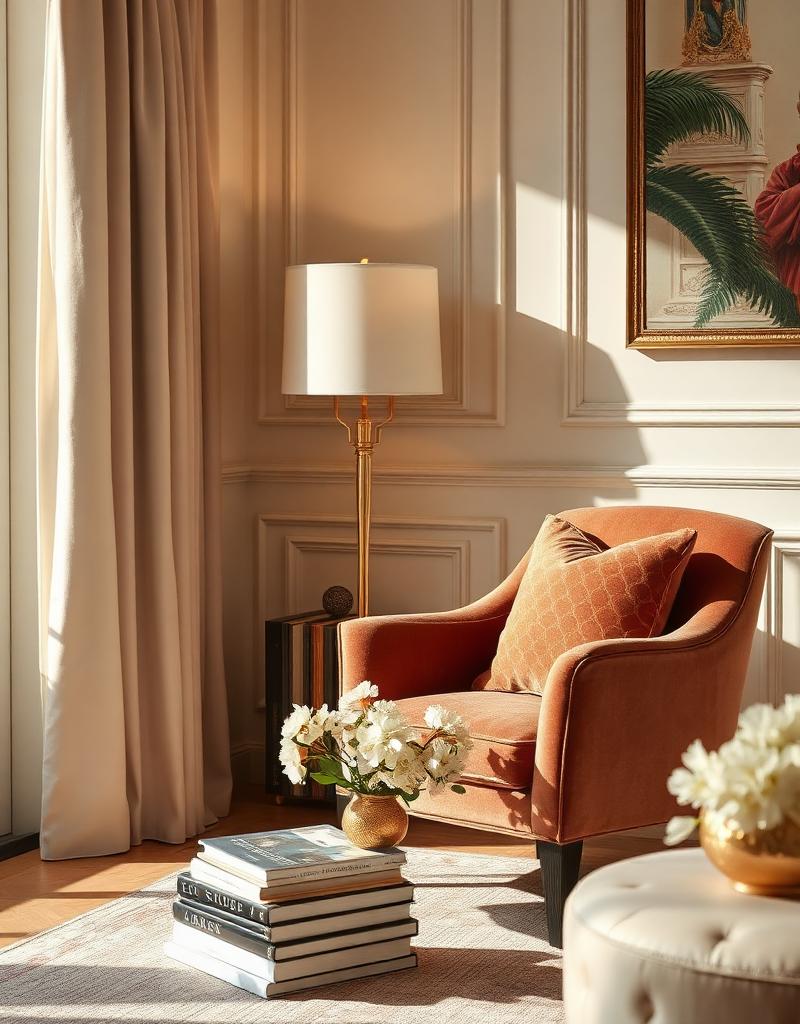
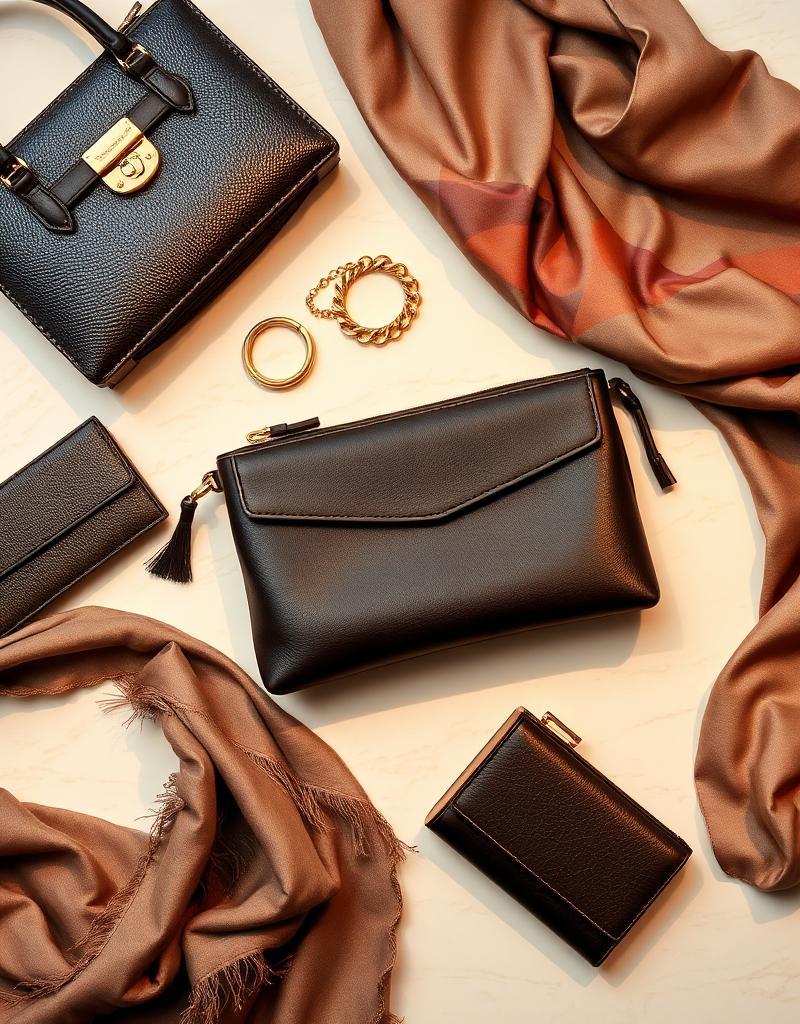
This shift is visible across categories. In fashion, logo-heavy pieces have given way to quiet, quality-focused brands like The Row and Loro Piana. In travel, ostentatious resorts are losing ground to authentic, immersive experiences. In dining, formal temples of gastronomy compete with intimate, farm-driven restaurants.
The Rise of Experiential Luxury
Material possessions are giving way to transformative experiences. The wealthy aren't competing over whose yacht is bigger-they're competing over whose trip to Antarctica was more authentic, whose meditation retreat more profound, whose cultural immersion more genuine.
This represents a fundamental reconception of value. Objects depreciate and eventually bore us. Experiences, research shows, become more valuable over time as they integrate into our identity and provide social currency through storytelling. The memory of watching the Northern Lights from a remote Finnish cabin appreciates in ways a handbag never can.
Sustainability as the Ultimate Luxury
Perhaps the most significant dimension of new luxury is sustainability. Once dismissed as incompatible with premium positioning, environmental responsibility has become a marker of sophistication. The reasoning is simple: in a world of climate crisis, continuing to consume mindlessly signals not wealth but ignorance.
- Stella McCartney proving luxury fashion can be cruelty-free
- Patagonia's repair culture becoming aspirational rather than economizing
- Farm-to-table dining commanding higher prices than traditional fine dining
- Vintage and pre-owned luxury outperforming new in many categories
- Carbon-neutral travel becoming a status marker among sophisticated travelers
The truly wealthy understand something important: they can afford to be first adopters of a sustainable lifestyle. Electric vehicles, organic food, renewable energy, and ethical fashion cost more-for now. Choosing these options signals both wealth and values.
From Having to Being
Underneath these changes lies a deeper shift: from 'having' to 'being.' The old luxury was about accumulation-having the most, the best, the rarest. The new luxury is about becoming-using wealth to optimize health, cultivate wisdom, develop skills, and create meaning.
This explains the explosive growth of wellness spending among the wealthy. Personal trainers, health optimization, mental health support, and longevity interventions represent investments in the self rather than the wardrobe. The ultimate luxury isn't a car-it's twenty extra years of vibrant life.
The Democratization Question
Critics argue that this shift is simply a new form of elitism. When obvious status symbols lose their power, the wealthy retreat into forms of distinction that require more knowledge, taste, and time-all resources that correlate with privilege. The person wearing a $5,000 unbranded cashmere sweater may be engaging in subtler snobbery than someone with a logo bag.
There's truth to this critique. Quiet luxury requires cultural capital that can be harder to acquire than financial capital. Knowing which obscure ceramicist to collect, which natural wine producer to seek out, which remote destination to visit-this knowledge is its own form of privilege.
The Authenticity Imperative
What unites all these shifts is a hunger for authenticity. In a world saturated with marketing, mass production, and Instagram performance, people are desperate for things that are real. Real craftsmanship. Real quality. Real experiences. Real impact.
This helps explain why heritage brands with genuine stories outperform newer competitors, why handmade commands premium prices, why provenance matters more than ever. We're not just buying products-we're buying proof of authenticity in an increasingly synthetic world.
Where We're Heading
The trajectory seems clear: luxury will continue moving from external to internal, from accumulation to experience, from status to substance. The brands that thrive will be those that help consumers become who they want to be, not just signal who they are.
This is, arguably, a more mature relationship with material goods. Instead of using objects to impress others, we're using them to improve ourselves. Instead of competing over possessions, we're competing over experiences and values. Whether this represents genuine progress or sophisticated rationalization, only time will tell.
But one thing is certain: the meaning of luxury has changed, and it won't change back. The question isn't whether you can afford the best-it's whether you know what 'best' really means.