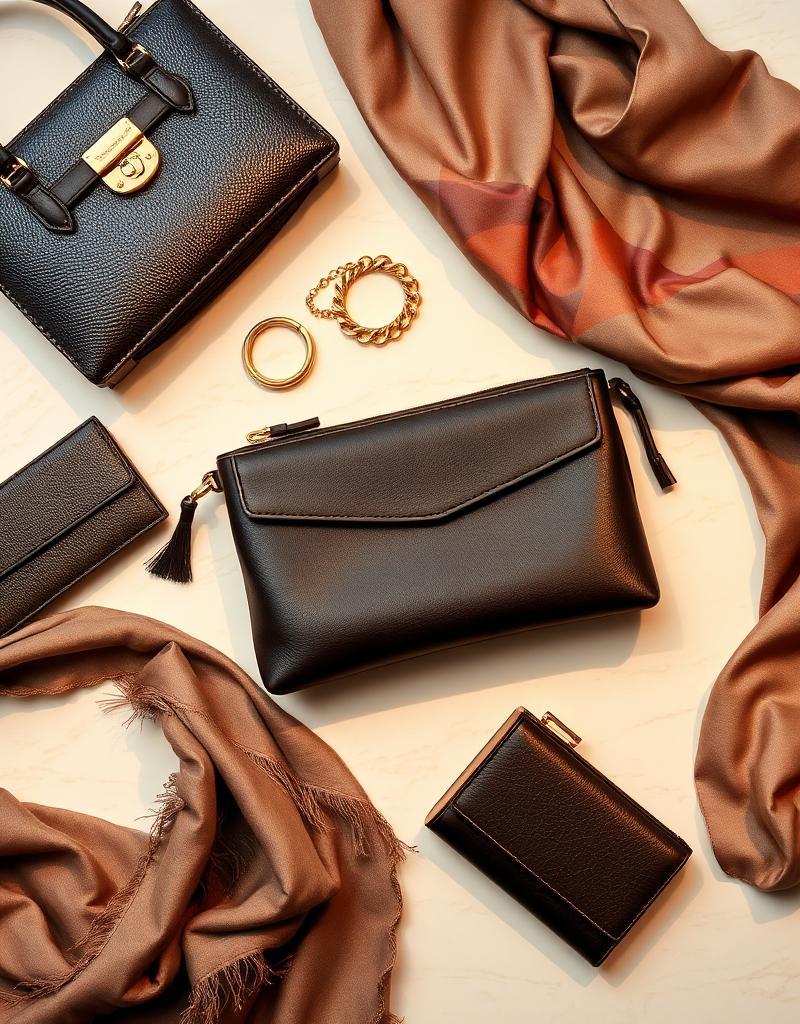

Walk into the Hermès flagship on Rue du Faubourg Saint-Honoré and you will not find a traditional retail experience. You will not be handed a product brochure or directed to a display case. Instead, you will be guided to a private salon, offered a glass of something cold, and invited into a conversation about what you are looking for - and why. The transaction, if it happens at all, may be the least interesting part of the visit.
This is the future of luxury retail: not a place to purchase things, but a place to experience something unavailable online. As e-commerce has made the act of buying frictionless, the physical store has been forced to justify its existence in entirely new terms.
From Transactional to Experiential
The shift from transactional to experiential retail has been underway for a decade, but luxury has embraced it most completely. The best luxury stores now function as cultural venues - part gallery, part theatre, part private club. They host events, commissions, cultural programming. They curate environments that communicate values as much as products.
"Our stores are not built to sell bags," says a senior executive at a major French maison. "They are built to communicate what our bags mean. If you understand that, the sale takes care of itself."
Dior's reinvented Avenue Montaigne flagship - designed by Peter Marino and opened in 2022 - exemplifies this philosophy. Spread across six floors, it includes a museum, a restaurant, a garden, and a bookshop alongside the retail spaces. The building is a destination, not a shop.
The Digital-Physical Synthesis
The most sophisticated luxury brands are not treating digital and physical as competing channels. They treat them as complementary stages in a continuous relationship. Digital creates awareness, education, and desire. Physical transforms desire into experience, relationship, and meaning.
- Digital: discovery, research, community, and content
- Physical: sensory experience, craftsmanship demonstration, personal service
- Digital: post-purchase relationship, exclusive content, early access
- Physical: maintenance, customisation, deepened relationship
- Digital: secondary market, resale, archive access
Brands that understand this synthesis - Hermès, Bottega Veneta, Brunello Cucinelli - consistently outperform those that treat digital as a threat to manage rather than an opportunity to embrace.
The Return of Personalisation
Perhaps the most significant trend in luxury retail is the return of genuine personalisation. Not the algorithmic 'customers who bought this also bought' personalisation of e-commerce, but the deeply human personalisation of knowing a client's history, preferences, family, and ambitions.
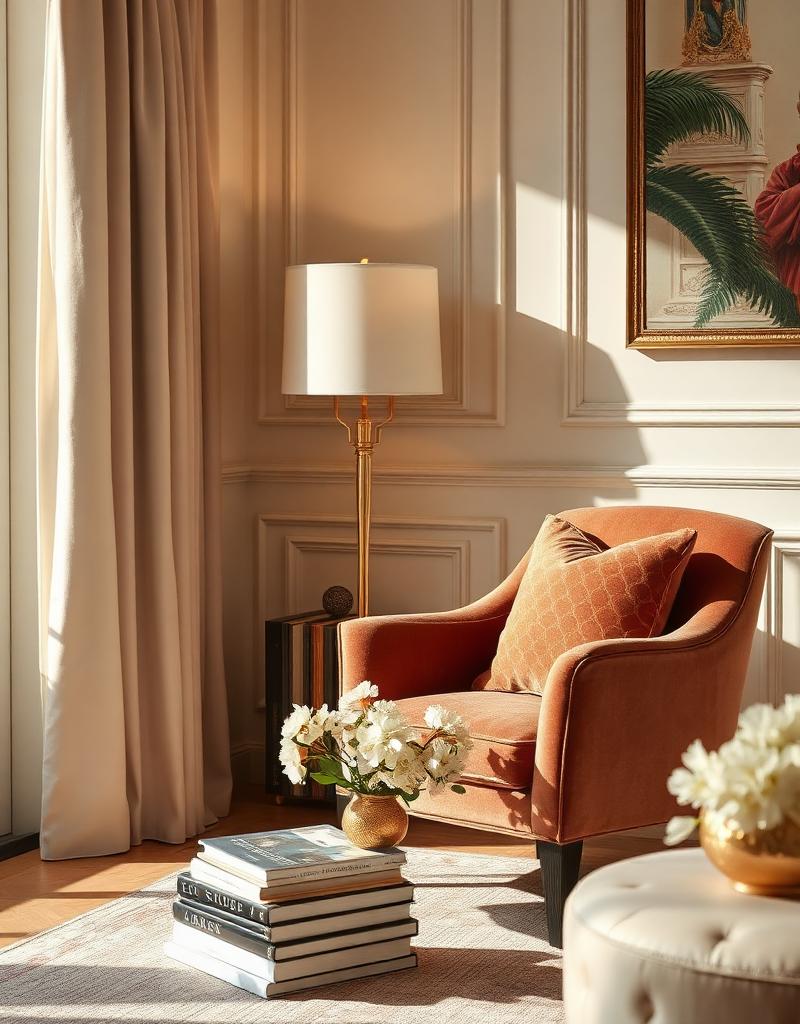
The best luxury sales associates have always functioned as personal stylists, confidants, and cultural guides. They remember your children's names, your preferences, your upcoming occasions. This relationship - impossible to replicate algorithmically - is luxury retail's strongest competitive advantage over digital.
What Comes Next
The luxury stores that will thrive in the next decade are those that offer something genuinely irreplaceable: the sensory experience of exceptional materials, the theatrical pleasure of impeccable service, the cultural experience of spaces designed by the world's finest architects and artists. They will be fewer, more significant, and more intentional.
The stores that won't survive are those that simply display and sell products. That function has been permanently absorbed by digital. The future of luxury retail is about meaning - and only the most thoughtful brands have understood this fully.