
Domain demo site. Inquire or make an offer
    Practical Skills

    How-To Guides

    The refined life demands refined skills. Our step-by-step guides cover everything from caring for premium materials to mastering the art of entertaining - practical knowledge for the discerning.

    How to Build a Watch Collection
    How-To
    14 min read

    How to Build a Watch Collection

    From your first dress watch to a grail piece - a strategic roadmap for building a meaningful collection over time.

    1. Define your focus

      Decide whether you want versatile daily wearers, investment-grade complications, or a themed collection (dive watches, dress watches, vintage). Clarity of vision prevents expensive impulse buys.

    2. Start with a foundation piece

      Acquire one truly versatile piece first - a clean dress watch or robust sports watch from a heritage manufacture (Rolex, Omega, IWC, Longines). This becomes your reference point for everything after.

    3. Research before you buy

      Study auction results, collector forums (WatchUSeek, Hodinkee), and authorised dealer availability. Understanding fair market value is the most important skill in watch collecting.

    4. Buy from trusted sources

      Purchase from authorised dealers for new watches, or from established grey-market dealers with full authentication for pre-owned. Avoid unverified private sellers for high-value pieces.

    5. Service and store correctly

      Service mechanical watches every 3-5 years. Store in a watch box away from magnets and moisture. Use a watch winder only for automatic watches you wear infrequently.
    Read Full Guide →
    How to Care for Leather Goods
    How-To
    8 min read

    How to Care for Leather Goods

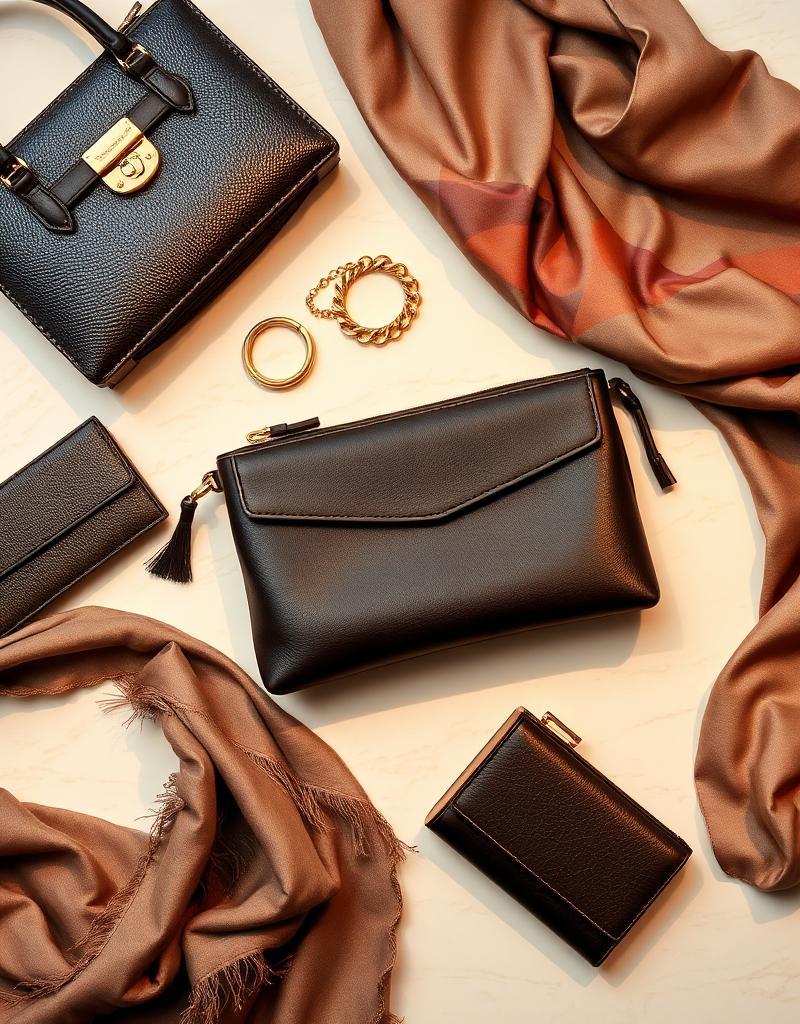
    Conditioning, storage, and repair techniques to keep your bags, wallets, and shoes looking pristine for decades.

    1. Clean before conditioning

      Wipe the surface with a soft, dry cloth to remove dust. For deeper cleaning use a leather-specific cleaner (Saphir Renomat for shoes, Apple Leather Care for bags). Always test on a hidden area first.

    2. Condition regularly

      Apply a thin layer of leather conditioner (Saphir Renovateur or leather-specific cream) every 2-3 months or when the leather looks dry. Use a horsehair brush or soft cloth in circular motions.

    3. Protect from water and heat

      Apply a water-repellent spray to smooth and suede leathers seasonally. Never dry leather near direct heat - stuff wet bags and shoes with paper and let dry at room temperature.

    4. Store properly

      Store bags stuffed to retain shape, in cotton dust bags, away from direct sunlight. Insert cedar shoe trees in footwear. Never store leather in plastic - it needs to breathe.

    5. Address scuffs and scratches promptly

      For minor scuffs on smooth leather, buff gently with a matching cream polish. For suede, use a suede brush. For significant damage, take to a professional leather restorer rather than attempting DIY repairs.

    Read Full Guide →
    How to Style a Coffee Table
    How-To
    6 min read

    How to Style a Coffee Table

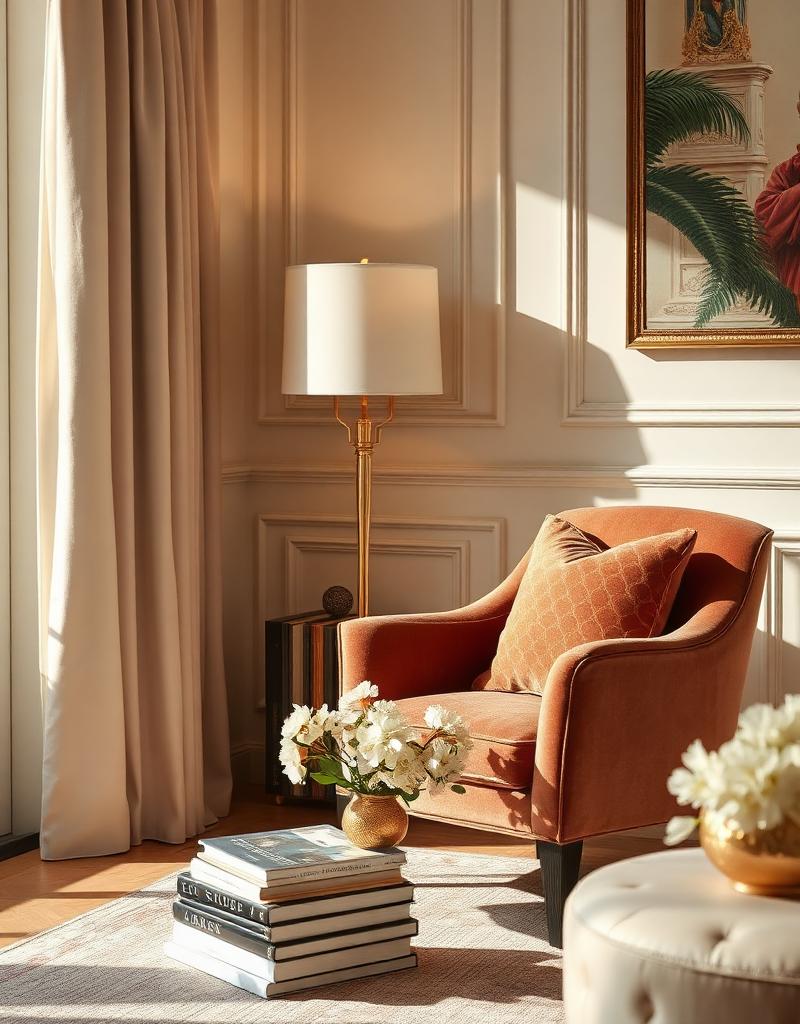
    The designer's approach to curating objects, books, and art on the most visible surface in your home.

    1. Clear everything first

      Start with a completely empty surface. This gives you a neutral canvas and forces intentional placement rather than accumulation.

    2. Build a base with books

      Stack 2-3 large-format art or design books horizontally. These create height variation and reflect your interests. Align spines or face covers upward depending on aesthetic preference.

    3. Add one sculptural object

      Place a single sculptural element on top of or beside the stack - a piece of ceramics, a found object, or a small sculpture. This is the focal point; it should be beautiful from every angle.

    4. Introduce a natural element

      Add something organic: a small plant, a stone, a wooden object, or fresh/dried botanicals. Natural materials create warmth and prevent arrangements feeling sterile.

    5. Apply the 40% rule

      Leave at least 40% of the table surface clear. Negative space is as important as the objects. Step back and remove anything that doesn't feel essential.

    Read Full Guide →
    How to Pack for a Week in One Carry-On
    How-To
    7 min read

    How to Pack for a Week in One Carry-On

    Proven packing strategies from frequent luxury travelers - capsule wardrobes, rolling techniques, and essential gear.

    1. Build a neutral capsule wardrobe

      Choose a palette of 3 coordinating colours (e.g. navy, white, camel). Every piece should work with every other piece. This multiplies outfit options without multiplying items.

    2. Choose the right fabrics

      Pack merino wool (temperature-regulating, odour-resistant, wrinkle-resistant), technical trousers, and silk or modal tops. Avoid linen and cotton for anything that must look pristine on arrival.

    3. Roll, don't fold

      Roll soft garments tightly to reduce wrinkles and save space. Fold structured items like blazers inside-out and place them flat on top. Use the bundle method for suits.

    4. Use packing cubes

      Separate categories into labelled cubes (tops, bottoms, underwear/socks, accessories). Compression cubes work well for bulky items. This keeps the bag organised and halves unpacking time.

    5. Wear your bulkiest items

      Board the plane in your heaviest shoes and outermost layer. This instantly frees significant space in your bag. A good carry-on tote handles overflow for the journey itself.

    Read Full Guide →
    How to Host an Elevated Dinner Party
    How-To
    10 min read

    How to Host an Elevated Dinner Party

    From table setting to menu planning - the art of entertaining with effortless sophistication.

    1. Plan a focused menu

      Choose a cuisine or theme and stick to it. A three-course meal with one dish you've mastered is infinitely better than an ambitious spread with inconsistent execution. Test every dish beforehand.

    2. Set the table the night before

      Lay the full table setting 24 hours ahead: linens, glassware, cutlery, and centrepiece. This removes one large task on the day and lets you assess and adjust without pressure.

    3. Manage timing with a schedule

      Write a precise cooking timeline working backwards from your serving time. Identify what can be made ahead (stocks, sauces, desserts) and what must be done à la minute. Pin it to the fridge.

    4. Set the atmosphere

      Dim lighting (candles where possible), a curated playlist at low volume (70-75 dB - audible but never intrusive), and a subtle room fragrance set the tone before guests arrive.

    5. Be present, not perfect

      Once guests arrive, close the kitchen mentally. Imperfect food served with warmth and attention is always superior to flawless food delivered by a distracted host. The experience is the dish.

    Read Full Guide →
    How to Set Up the Perfect Home Office
    How-To
    9 min read

    How to Set Up the Perfect Home Office

    Ergonomics, acoustics, lighting, and design - the complete guide to a workspace that inspires and performs.

    1. Prioritise ergonomics first

      Invest in a quality chair (Herman Miller Aeron, Steelcase Leap) and set it so feet are flat, knees at 90°, and the screen at eye level. Ergonomic investment pays dividends in energy and prevents chronic pain.

    2. Control the light

      Position your desk perpendicular to windows to avoid screen glare. Use a daylight-balanced desk lamp (5000-6500K) for task lighting. Layer ambient, task, and accent lighting for different working modes.

    3. Manage acoustics

      Hard surfaces create echo. Add a rug, soft furnishings, bookshelves, or acoustic panels. For calls, a directional USB microphone (Blue Yeti, Rode NT-USB Mini) dramatically improves perceived professionalism.

    4. Curate your view

      Place one beautiful, meaningful object in your direct sightline. A piece of art, a plant, or a well-chosen object gives your eyes a restorative resting point during deep work sessions.

    5. Manage cables and clutter

      Route all cables behind or beneath the desk using cable management trays or channels. A clear surface reduces cognitive load. Use only what's needed for the current day; store everything else.

    Read Full Guide →
    ← Back to All Guides